
Contents
If you’re dealing with a property or vehicle tied to meth or fentanyl use, cleanup means more than wiping surfaces. You’re removing hazardous residue, controlling cross-contamination, and verifying that the space is safe again. Because these contaminants can linger in hidden areas and porous materials, the process demands testing, containment, and strict safety protocols. What happens next depends on the source, the level of contamination, and the risks you can’t see yet.
Key Takeaways
- Meth and fentanyl cleanup removes hazardous residue from surfaces, dust, and hidden areas after drug use or contamination.
- It includes assessing affected rooms, isolating contaminated zones, and preventing spread to clean areas.
- Trained crews use protective gear, containment barriers, and validated testing to confirm contamination and safety.
- Cleanup involves controlled wiping, washing, debris removal, and secure disposal of contaminated materials as regulated waste.
- Professional cleanup reduces health risks, supports legal compliance, and ensures the area is safe for re-entry.
What Meth and Fentanyl Cleanup Involves
Meth and fentanyl cleanup involves more than basic cleaning; it requires removing hazardous residue from surfaces, materials, and hidden areas where contamination can persist.
You assess rooms for dust, stains, and porous items that can absorb chemicals, then isolate affected zones to limit spread. You use controlled methods to wipe, wash, and collect debris, paying attention to vents, baseboards, and tucked-away surfaces.
You also monitor meth contamination effects, since residue can irritate skin, eyes, and airways. For fentanyl exposure risks, you handle any suspected residue cautiously and avoid unnecessary contact.
You document each step, so you and your team stay aligned and can track what’s been addressed. This process helps you restore safer conditions without overlooking hidden contamination.
Why Professional Cleanup Is Necessary
Professional cleanup is necessary because meth and fentanyl residues can remain in dust, porous materials, HVAC components, and hidden surfaces long after visible contamination seems gone.
You can’t rely on appearance alone to judge safety, because microscopic contamination can migrate and persist.
Trained crews use controlled methods, protective equipment, and validated testing to reduce exposure and support safer reentry. They understand meth dangers and fentanyl risks, and they work to prevent accidental contact, inhalation, and cross-contamination.
If you handle cleanup yourself, you may spread residues or miss critical areas.
Professional service helps you protect your household, meet regulatory expectations, and restore a space with greater confidence. That expertise matters when you want a clear, safer path back to normal living.
Signs a Property Needs Meth Cleanup
You may need meth cleanup if you notice visible surface residue, such as unusual film, staining, or crystalline deposits on walls, counters, or fixtures.
Strong chemical odors can also indicate contamination, especially if they persist after cleaning or ventilation.
If you or others develop unexplained health symptoms indoors, you should treat the property as potentially affected and arrange a professional assessment.
Visible Surface Residue
A fine, often sticky film on counters, windows, vents, or other hard surfaces can indicate prior drug use and may warrant meth cleanup. You should treat this as a surface detection clue, not proof, until trained professionals complete residue identification.
Pay close attention to high-touch areas such as switch plates, appliance fronts, and trim, where particles can settle unevenly. If you notice an oily sheen, discoloration, or repeated buildup after routine cleaning, avoid scrubbing aggressively, which can spread contamination.
Instead, document the locations and contact qualified remediation support. You deserve a space that feels safe and clear, and careful inspection helps you move toward that goal with confidence.
Visible residue alone doesn’t confirm meth presence, but it does justify a cautious assessment.
Strong Chemical Odors
Strong chemical odors can be another warning sign that a property may need meth cleanup, especially when the smell persists after airing out the space or cleaning visible residue.
You might notice harsh, solvent-like, or acrid notes that linger in rooms, HVAC systems, or porous materials. Those odors can signal contamination that routine cleaning won’t resolve.
If you’re responsible for the space, treat the smell as a cautionary indicator, not proof, and limit unnecessary entry until trained professionals assess it.
Proper odor removal usually requires specialized containment, filtration, and decontamination steps designed to reduce chemical exposure. This process helps restore safer conditions and gives you clearer guidance on next actions.
When you’re unsure, choose a qualified cleanup team that can test, document, and address the source carefully.
Unexplained Health Symptoms
Unexplained health symptoms can be an important indicator that a property needs meth cleanup, especially when headaches, nausea, dizziness, throat irritation, or unusual fatigue appear soon after time spent indoors.
You should treat these patterns as potential exposure signals, not proof, and keep symptom awareness high. Meth residue can affect shared spaces, so your health effects may worsen with repeated visits.
- Track when symptoms start and stop.
- Note whether they ease outside.
- Compare reactions among family members.
- Seek medical advice and property testing.
If you notice clustering, document it carefully and limit time inside until professionals assess the space.
A cautious response helps protect your household and supports informed cleanup decisions.
How Meth Residue and Fentanyl Are Tested
Before cleanup begins, you should confirm what’s actually present by testing both surfaces and, when needed, air or dust samples for meth residue and fentanyl.
You’ll typically use testing methods such as wipe sampling, swabs, and laboratory residue analysis to measure contamination levels. A trained technician collects samples from likely contact points: counters, HVAC vents, flooring, and porous materials.
Labs may use chromatography, mass spectrometry, or immunoassay screening to identify compounds and estimate concentration. Because fentanyl can appear in trace amounts, you shouldn’t rely on visual inspection alone.
Results help you define the affected area, compare findings to applicable thresholds, and plan targeted remediation. When you understand the data, you can move forward with confidence, knowing your team shares a clear, evidence-based picture.
What Safety Gear and Containment Methods Are Used
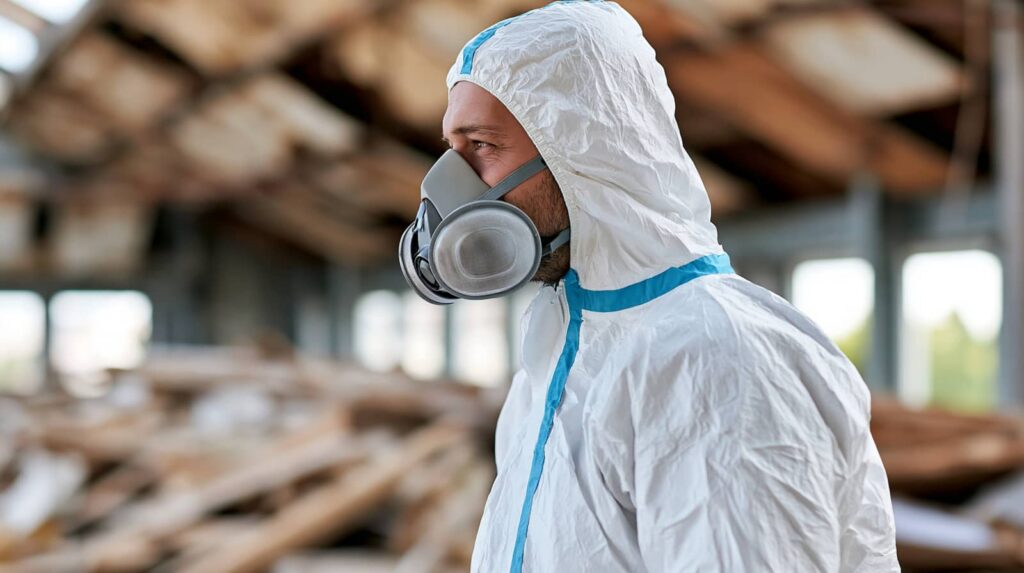
You’ll need full protective gear, including gloves, eye protection, a fitted respirator, and disposable coveralls, before you enter the contaminated area.
You should also establish containment with sealed entry points, plastic sheeting, and controlled airflow to limit spread.
These controls help reduce exposure while you assess and isolate the affected space.
Protective Gear Essentials
Protective gear is essential because meth and fentanyl residue can pose serious inhalation, skin-contact, and cross-contamination risks. You should wear protective masks, safety goggles, chemical-resistant gloves, and disposable coveralls before you enter the work area. Each item helps you reduce exposure and stay part of a careful, well-prepared cleanup team.
Use gloves that fit snugly, and replace them if they tear or become visibly soiled. Choose masks rated for fine particulates when airborne contamination may be present. Keep your eye protection sealed and clean.
- Gloves: block direct contact
- Goggles: shield your eyes
- Masks: limit inhalation risk
- Coveralls: protect clothing and skin
Remove gear only after decontamination. Treat every used item as contaminated, and follow site protocols so you don’t spread residue to clean spaces or other people.
Area Containment Methods
Once the site is identified, you should isolate the affected area with physical barriers, warning signage, and controlled entry points to limit residue migration and reduce unauthorized access.
Use containment strategies that define clean, intermediate, and hot zones, then seal vents, door gaps, and HVAC returns with plastic sheeting and tape.
You’ll need disposable boot covers, gloves, and fitted respirators to protect your team while you work.
Keep tools and waste inside the zone, and remove them only through controlled pathways.
Maintain area isolation until sampling confirms surfaces are safe and your crew can reenter without added risk.
When you follow these steps together, you help your team stay aligned, protected, and confident throughout cleanup.
How Fentanyl Hazard Cleanup Works
Fentanyl hazard cleanup starts with a controlled assessment of the scene, because even trace contamination can create serious exposure risks. You’ll verify boundaries, then choose cleanup techniques based on the material, surface, and likely residue spread.
Your team should wear fitted PPE, avoid dry sweeping, and use damp, disposable methods that limit aerosolization. You’ll collect waste in sealed, labeled containers and decontaminate tools before reuse. Keep communication clear so everyone knows the plan and feels covered.
- Test high-touch areas
- Remove visible residue carefully
- Bag contaminated items
- Document each step
If you detect fentanyl exposure, stop work and escalate to trained specialists. This approach protects you, supports your crew, and keeps the process controlled.
How Contaminated Vehicle Cleanup Works
When a vehicle may be contaminated with meth or fentanyl, you’ll start with a controlled inspection before any cleaning begins. You document touchpoints, airflow zones, and visible residue so your vehicle decontamination plan fits the risk level.
You’ll isolate the cabin, limit access, and use protective controls that support chemical safety for everyone involved. Then you’ll remove porous materials only when needed, since hidden contamination can linger in seats, carpets, and vents.
You’ll clean hard surfaces with approved methods, focusing on steering wheels, door handles, consoles, and belts. Throughout the process, you’ll verify progress with careful rechecks, keeping the work measured and respectful.
This approach helps you stay informed, protected, and confident while the vehicle returns to a safer condition for your team or family.
What Happens During Decontamination and Waste Disposal
During decontamination, technicians remove and control contaminated materials, then clean affected surfaces using verified methods that match the hazard level.
You stay out of the work zone while they isolate residues, verify containment, and document each step in the decontamination process.
They use sealed tools, approved cleaners, and careful wipe checks to limit spread.
Waste management follows strict rules: bagged debris, absorbents, and disposable PPE go into labeled containers for regulated transport and disposal.
You can expect:
- controlled removal of porous items
- surface cleaning and repeat verification
- secure packaging of hazardous waste
- final area inspection and clearance
This approach protects you, nearby occupants, and responders by reducing contact risk and keeping the site organized, traceable, and ready for safe re-entry.
How to Choose the Right Cleanup Team
Once decontamination and waste handling are planned, the next step is choosing a cleanup team that can do the work safely and document it properly.
You should verify team qualifications, including hazardous waste training, bloodborne pathogen awareness, respirator use, and local licensing.
Ask how they apply cleanup criteria, such as site inspection, containment, cleaning agents, clearance testing, and final documentation.
A reliable team explains its methods, uses calibrated equipment, and keeps chain-of-custody records for samples and waste.
You deserve a crew that communicates clearly, respects your space, and follows regulations without shortcuts.
Confirm insurance, references, and written scope before work begins.
If the team can’t explain risks, disposal steps, and verification results in plain language, keep looking until you find one that fits your needs.
Frequently Asked Questions
How Long Does Meth and Fentanyl Cleanup Usually Take?
Usually, you’ll see meth and fentanyl cleanup take several hours to a few days, depending on contamination, surfaces, and testing. The cleanup process must address health risks carefully, so you’ll want certified professionals.
Can Occupants Safely Return Immediately After Cleanup?
No, you shouldn’t return immediately; you need verified clearance first. Proper cleanup protocols protect occupant safety by removing contamination, documenting results, and confirming air and surface levels meet standards before you reenter.
Does Insurance Cover Meth and Fentanyl Cleanup Costs?
Usually, you’ll find coverage depends on your insurance policies; some pay cleanup expenses, others don’t. As the saying goes, “the devil’s in the details.” You should verify exclusions, limits, and preauthorization requirements before proceeding.
Will Cleanup Remove All Odors From the Property?
Not always. You’ll usually need odor removal techniques and property inspection methods to verify lingering contamination. You can expect professionals to reduce most smells, but materials, ventilation, and hidden residues may still require follow-up treatment.
Can Furniture and Personal Belongings Be Saved?
Yes, you can sometimes save furniture and personal belongings through furniture restoration and careful decontamination, but you shouldn’t assume personal item safety. You’ll need a professional assessment to verify what’s salvageable and what isn’t.
Wrap-Up
When you need meth and fentanyl cleanup, you’re dealing with hidden contamination that can linger long after the drug activity ends. Professional crews assess, contain, test, clean, and verify each surface so you can return to the property with greater confidence. Because residue can spread by contact and aerosol, even small oversights matter. Choosing a qualified team helps you meet safety requirements, limit exposure, and restore the space before a minor trace becomes a major hazard.
Recent Posts
What Are Asbestos Inspection and Abatement Services?
If you’re dealing with an older building, asbestos inspection and abatement services help you identify
Why Hire Asbestos Inspection and Abatement Services?
Like a hidden fault line beneath a finished wall, asbestos can stay invisible until the
7 Vehicle Decontamination Steps After Exposure
After exposure, you need to identify the contamination type before you touch anything else. Then