
Contents
If you suspect fentanyl exposure in your vehicle, you need to treat it as a contamination event, not a routine cleanup. You’ll want to identify likely signs, restrict access immediately, and use proper PPE before you touch any surface. Even then, hidden residue can remain in seams, carpets, and vents. The next steps determine whether you reduce the hazard or spread it further.
Key Takeaways
- Keep everyone out of the vehicle, lock it down, and treat it as a controlled contamination scene.
- Wear nitrile gloves, eye protection, and a properly fitted mask or respirator before any contact.
- Look for visible powder, pills, residue, and symptoms like drowsiness, slow breathing, or pinpoint pupils.
- Remove visible debris carefully, then clean with low-moisture methods without spreading contamination.
- Contact a certified cleanup team to inspect hidden areas and dispose of contaminated materials safely.
Recognize Fentanyl Exposure in Your Car
Before you touch anything, look for signs that a fentanyl contamination event may have occurred in your vehicle: visible powder, pills, residue on surfaces, torn packaging, or evidence that someone handled unknown substances.
Check seats, console, door pockets, floor mats, and vents with a light. If you notice exposure signs, keep your distance and avoid moving items unnecessarily.
Watch for fentanyl symptoms in anyone nearby, including dizziness, extreme drowsiness, slow breathing, blue lips, or pinpoint pupils. Those signs can escalate fast, so trust your judgment and stay calm.
You’re not alone in this; careful observation helps protect you and the people you care about. Document what you see, note the location, and prepare to contact trained responders for next steps.
Keep People Out of the Car
If you suspect fentanyl contamination, keep everyone out of the vehicle immediately and limit access until trained responders evaluate it. You protect your crew best by enforcing strict vehicle access restrictions and treating the cabin as a controlled scene.
Lock the doors, set a perimeter, and stop all casual entry.
Tell passengers to stay back and avoid touching seats, handles, or loose items.
Document who was inside and when symptoms began.
These passenger safety precautions help you reduce secondary exposure risk while you coordinate with dispatch or hazardous materials personnel.
You belong in a process that favors caution over speed, so use clear instructions and consistent boundaries.
Don’t restart the vehicle or open compartments unless responders direct you.
Wear Gloves, Mask, and Eye Protection
You should wear well-fitting gloves, a mask that covers your nose and mouth, and sealed eye protection before you start any cleanup.
Choose gloves that resist contamination and fit securely so you can handle surfaces without exposing skin.
Put all PPE on before entry, and check that it stays in place throughout the decontamination process.
Glove Selection and Fit
Choose gloves that create a reliable barrier against fentanyl residues, such as nitrile gloves that fit snugly without restricting movement. You’ll reduce exposure when you verify glove materials before starting. Use only intact gloves, and replace any pair that tears, loosens, or becomes contaminated.
Fit testing helps you confirm a secure seal at the wrist and hand, so your technique stays consistent and controlled.
- Select nitrile over latex when possible for better chemical resistance.
- Check the cuff and fingers for slack, gaps, or pinching.
- Change gloves immediately if you touch dirty surfaces or notice damage.
When you work with a careful team, your glove choice supports shared safety. Keep your movements deliberate, and don’t assume one size fits everyone.
Mask and Eye Coverage
A proper face barrier reduces the chance that airborne particles or splashes reach your nose, mouth, or eyes during fentanyl decontamination. You should choose mask types that match the task’s exposure risk and fit your face closely without gaps.
A well-sealed respirator can help limit inhalation of contaminated dust, while a basic surgical-style mask offers less protection and shouldn’t be treated as equivalent.
Add eye protection that fully covers the eyes and stays stable when you move. Goggles or a sealed face shield can reduce splash exposure and support your team’s shared safety standards.
Check that lenses stay clear, straps adjust securely, and the seal remains intact. If your barrier shifts, cracks, or fogs badly, pause and correct it before you continue cleanup.
PPE Donning Before Cleanup
Before you enter the cleanup area, don gloves, a properly fitted mask or respirator, and eye protection in the correct sequence to reduce the chance of self-contamination. You’re part of a team that relies on disciplined PPE types and contamination prevention. Inspect each item for tears, gaps, or poor fit before use.
Put on gloves first, extending cuffs over sleeves.
Fit the mask or respirator tightly; seal-check it.
Add goggles or a face shield that blocks splash and dust.
Avoid touching your face or adjusting gear once you’ve entered the vehicle. If any item shifts, step out and replace it.
This cautious routine keeps you protected, supports your crew, and helps you work with confidence during fentanyl decontamination.
Clean Seats, Surfaces, and Carpets Safely
Start by removing visible debris with disposable wipes or absorbent towels. Then clean seats, hard surfaces, and carpets using a low-moisture method that limits aerosolization and runoff.
For seat cleaning, work in small sections. Apply the approved detergent or decontamination solution to the cloth, not the surface, and lift residue with controlled strokes.
For carpet treatment, blot, don’t scrub, so you don’t drive particles deeper or spread contamination. Keep the area as dry as possible, and replace saturated materials often.
Use separate, labeled tools for each zone so you and your team stay organized and protected. If fabric remains visibly soiled, repeat the process until the surface looks clean.
Then collect all used wipes, towels, and disposable materials for proper disposal according to your site’s procedure.
Wipe Down High-Touch Surfaces
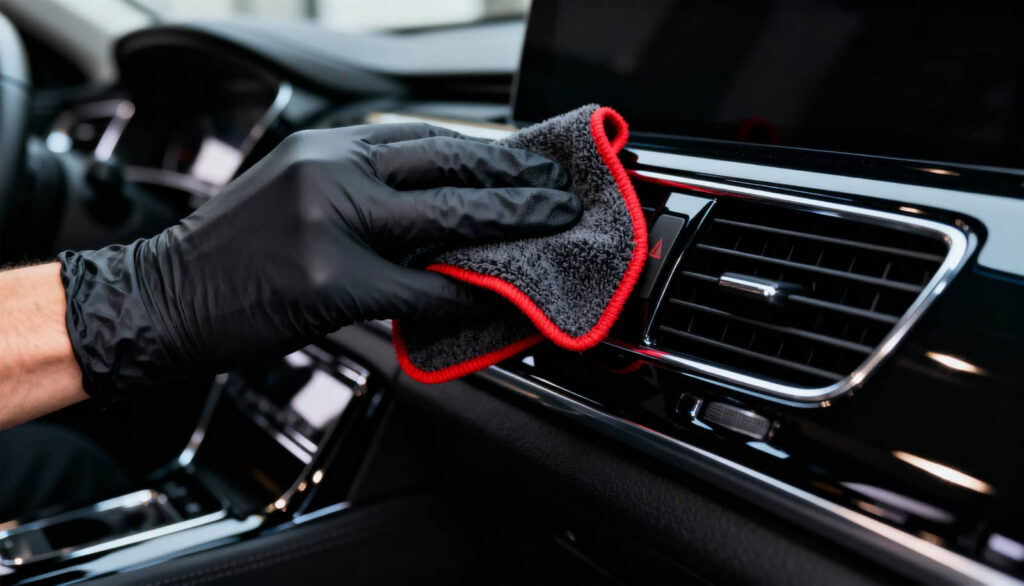
Move methodically through high-touch points such as door handles, steering wheel controls, shifters, seat belts, window switches, and touchscreens, wiping each surface with a fresh, lightly dampened disposable cloth or approved wipe.
Focus on high touch areas where contact is frequent and residue can transfer. Use cleaning materials that won’t scratch finishes or spread contamination.
- Wipe one surface at a time.
- Use a clean side of the cloth each pass.
- Replace the wipe if it becomes visibly soiled.
You should keep your motions deliberate and light, not aggressive, so you don’t aerosolize particles or drive material into seams.
Stay consistent with your team’s procedure, and you’ll help maintain a safer cabin for everyone who belongs in the response effort.
Bag Contaminated Items and Dispose of Them
Collect contaminated wipes, gloves, absorbent materials, and any disposable items that contacted suspected residue, then place each item directly into a sealable hazardous-waste bag without shaking, compressing, or setting it on clean surfaces.
You should use careful bagging techniques to limit aerosol spread and keep the outer bag uncontaminated. Seal the bag securely, then place it inside a second bag if local protocol requires extra containment.
Label the package as contaminated per your site rules, and keep it separate from personal belongings and vehicle supplies. Follow approved disposal methods only; don’t open the bag again once sealed.
Afterward, remove your gloves, wash your hands thoroughly, and maintain a controlled, methodical workflow so you and your team stay aligned and protected.
Call a Professional Vehicle Cleanup Service
You should contact a certified cleanup team to handle the vehicle, since trained technicians can assess contamination and apply controlled decontamination methods.
They’ll inspect high-risk and hidden areas, because fentanyl residue can remain on surfaces, seams, vents, and other concealed locations.
A professional service also ensures safe disposal procedures for contaminated materials and waste.
Certified Cleanup Teams
When fentanyl contamination is suspected in a vehicle, certified cleanup teams can assess the scene, contain the hazard, and perform decontamination using controlled procedures and appropriate protective equipment.
You should choose providers who complete a strict certification process and maintain documented team training, because that level of discipline supports safer, consistent results. Their work should include:
- Scene evaluation and access control
- Contaminant removal with approved methods
- Verification that the vehicle is fit for use
When you work with a qualified crew, you’re not handling this alone. You’re joining a process built on standards, accountability, and careful communication.
Ask for credentials, methods, and written completion records before you accept the vehicle back.
Hidden Contamination Risks
Even after visible debris is removed, fentanyl residue can remain in seams, carpet backing, air vents, seat foam, and other hard-to-inspect areas, where routine cleaning may miss it.
You should treat these hidden sources as contamination hotspots during your risk assessment, because a small trace can still matter.
A professional crew uses awareness training, detection methods, and controlled inspection to map exposure zones without spreading residue.
You’ll also need prevention strategies that limit contact with cabin surfaces, plus safety measures that protect anyone entering the vehicle.
If you notice odor, discoloration, or unexpected powder, follow emergency protocols and keep the area isolated.
Calling a qualified vehicle cleanup service helps you work with people who understand the hazard, respect your concerns, and restore a safer environment for your team.
Safe Disposal Procedures
Safe disposal starts with containing contaminated materials, labeling them appropriately, and preventing any handoff that could spread residue during transport or cleanup.
You should treat wipes, gloves, absorbents, and disposable tools as hazardous waste until a licensed team confirms their status. Follow approved disposal methods only, because ordinary trash handling can expose you and your crew.
- Seal items in double bags or rigid containers.
- Mark containers with contamination details and date.
- Transfer them to a professional vehicle cleanup service for regulated disposal.
If you’re unsure, stop and isolate the vehicle. A certified service can document waste, transport it safely, and protect everyone who works near the scene.
You don’t have to manage this alone; trained specialists can help your team stay compliant and protected.
Frequently Asked Questions
What Should I Do if Someone Is Feeling Unwell After Vehicle Exposure?
Move them to fresh air, call emergency services, and monitor breathing; use naloxone if trained. Don’t leave them alone. Follow prevention strategies, and activate emergency response quickly to keep your team safe.
How Long Should I Wait Before Using the Car Again?
You should wait until decontamination methods are completed, surfaces are dry, and air has been exchanged; that’s usually hours, not minutes. Follow vehicle safety guidance, verify no residue remains, and you’ll protect your crew.
Can Fentanyl Residue Spread Through the Car’s Ventilation System?
Yes, you can have residue transfer through ventilation systems if contaminated particles enter vents. You should inspect filters, clean ducts carefully, and avoid recirculation until you’ve decontaminated the car, because airflow can spread trace residue.
What Symptoms Require Immediate Medical Attention After Suspected Exposure?
Seek immediate care if you have pinpoint pupils, severe drowsiness, slowed breathing, blue lips, or unresponsiveness. Like a smoke alarm in a quiet hallway, these fentanyl symptoms and exposure signs demand urgent 911 help.
Is It Safe to Transport Children After a Decontamination Incident?
Yes, you can transport children only after child safety checks confirm they’re fully decontaminated and stable. Follow transport precautions, use clean seats, avoid contaminated gear, and watch for delayed symptoms. If unsure, don’t move them.
Final Thoughts
You can reduce risk by recognizing possible fentanyl exposure quickly, keeping everyone out of the vehicle, and using proper PPE before you touch anything. Clean seats, surfaces, and carpets methodically, then wipe high-touch areas, bag contaminated items, and dispose of them safely. When contamination may be hidden, don’t improvise—call a certified vehicle cleanup service. A disciplined response now can prevent a nightmare of hazards later and help you restore the car safely.
Recent Posts
Why Hire Asbestos Inspection and Abatement Services?
Like a hidden fault line beneath a finished wall, asbestos can stay invisible until the
7 Vehicle Decontamination Steps After Exposure
After exposure, you need to identify the contamination type before you touch anything else. Then
Why Decontaminate Vehicles After Fentanyl Exposure?
You may not realize that fentanyl residue can hide in HVAC ducts, seams, and under