
Contents
You may not realize that fentanyl residue can hide in HVAC ducts, seams, and under trim, where normal cleaning won’t remove it. If you handle the vehicle without proper controls, you can spread particles or increase contact exposure. Professional decontamination limits that risk and helps return the vehicle to safe use. Understanding where contamination lingers and how it’s managed can change your response.
Key Takeaways
- Fentanyl residue can remain on surfaces and create serious exposure risks for occupants and responders.
- Airflow and contact with high-touch areas can spread contamination throughout the vehicle.
- Cleaning removes hidden residue in vents, seams, and porous materials that are easy to miss.
- Professional decontamination reduces the chance of aerosolizing particles during cleanup.
- Proper decontamination helps verify the vehicle is safe to return to service.
Why Fentanyl Vehicle Decontamination Matters
When fentanyl contaminates a vehicle, even trace residue can create a serious exposure risk for anyone who enters, touches surfaces, or disturbs dust during cleanup.
You need decontamination because fentanyl risks don’t end when the visible material is gone; particles can remain in seams, vents, fabric, and other hard-to-reach areas.
By identifying contamination sources early, you protect yourself, your team, and anyone who later uses the vehicle. A structured cleanup reduces uncertainty, supports safe return-to-service decisions, and helps you meet professional standards without guessing.
If you belong to a response crew, you’re not expected to manage this alone—use trained methods, controlled access, and verified cleaning to lower risk and restore confidence.
How Fentanyl Spreads in Cars
In a vehicle, fentanyl can spread when fine particles become airborne during movement, contamination, or cleanup, then settle onto nearby surfaces.
You can also transfer residue by touching contaminated controls, seats, belts, or belongings and then contacting other areas.
To limit exposure, you should treat both the airspace and all high-touch surfaces as potentially contaminated.
Airborne Particle Transfer
Airborne fentanyl transfer in a vehicle can occur when fine powder or residue becomes suspended in the air and then settles on seats, dashboards, vents, clothing, and skin.
You should treat this as a serious exposure pathway, because airflow can move particles through the cabin quickly. Identify likely contamination sources, then keep movement low and ventilation controlled until trained decontamination begins.
- Avoid agitating dust.
- Limit fan use.
- Keep doors closed when possible.
- Wear appropriate PPE.
This airborne transmission risk doesn’t require visible dust to be present.
You and your team can reduce exposure by isolating the vehicle, documenting conditions, and following a clear response plan. That shared discipline helps everyone stay protected and confident.
Surface Contact Spread
Even after visible dust is gone, fentanyl residue can still spread by touch across a vehicle’s high-contact surfaces.
You can transfer surface contamination from the steering wheel, door handles, seatbelts, console buttons, and touchscreens to your gloves, skin, or clothing. From there, you may move residue to other areas of the car or into shared spaces.
Sweat, friction, and repeated contact can make the spread more efficient, especially in warm cabins and tight interiors.
To protect vehicle safety, treat every touched surface as potentially contaminated until you’ve cleaned and verified it.
Use controlled cleaning methods, avoid dry wiping that can re-aerosolize residue, and change gloves between tasks.
If you’re unsure about exposure, stop access and get trained help.
Signs Your Vehicle May Be Contaminated
You should inspect the cabin for visible residue on seats, consoles, floor mats, and high-touch surfaces, since fentanyl contamination can appear as fine powder or film.
You may also notice unusual odors or trapped debris in crevices, vents, and upholstery seams, which can indicate hidden contamination.
If you see or suspect any of these signs, treat the vehicle as contaminated and limit access until you can assess it safely.
Visible Residue
Visible residue is one of the clearest indicators that a vehicle may be contaminated after fentanyl exposure. You should inspect high-touch surfaces with disciplined residue detection so you can spot risk early and protect your team.
Focus on places where contamination sources collect and transfer.
- Door handles and window switches
- Center consoles and armrests
- Seat seams, mats, and belts
- Air vents and hidden crevices
If you see powder, film, or smears, treat the vehicle as potentially unsafe and limit contact.
Don’t test surfaces with bare hands; use proper PPE and controlled cleaning procedures.
When you work together with a trained response process, you reduce uncertainty and help keep everyone safer.
Odor And Debris
Odor and debris can add another layer of evidence when you’re evaluating whether a vehicle may be contaminated after fentanyl exposure. You might notice chemical, musty, or burnt odors, but scent alone won’t confirm contamination.
Track possible odor sources such as spilled powders, smoking materials, or trapped packaging in seats, vents, and floor mats. Inspect debris types carefully: white or tan particles, residue on consoles, broken baggies, foil, needles, or lint with unusual staining.
Use gloves, a mask, and good lighting while you check. Don’t shake fabrics or vacuum casually, because that can disturb particles.
If you identify multiple signs, treat the vehicle as potentially unsafe and arrange professional decontamination. Your team’s caution protects everyone and helps you stay consistent, calm, and prepared.
Health Risks of Fentanyl Residue
Even trace fentanyl residue in a vehicle can pose a serious health risk if someone touches contaminated surfaces and then transfers the drug to their mouth, nose, or eyes. You need to treat fentanyl toxicity as a real hazard because the health implications can escalate quickly, especially when contamination sources aren’t clearly identified.
- Use risk assessment before cleanup.
- Follow safety protocols every time.
- Wear protective measures that reduce contact.
- Watch for exposure symptoms and act fast.
You protect yourself and your team by limiting exposure, isolating the space, and keeping public awareness high.
If you’re unsure, stop and escalate to trained professionals. Clear communication helps everyone stay aligned, confident, and safe.
Vehicle Surfaces That Trap Fentanyl
Seats, seat seams, door handles, armrests, floor mats, console controls, and HVAC vents can trap fentanyl residue because they collect dust, skin oils, and debris in small crevices.
You should treat these points as high-risk contact areas, since your hands and clothing can transfer residue from one surface to another.
Porous fabrics, textured plastics, and worn vehicle materials can retain particles more readily than smooth metal or sealed finishes.
Airflow can also spread contamination through vents and settle it on nearby surfaces.
If you touch these areas before cleanup, you may raise the chance of fentanyl absorption through your skin or inadvertent ingestion.
When you inspect the cabin, focus on gaps, grooves, and hidden edges, because these spaces often hold the most residue and deserve careful attention.
What Fentanyl Vehicle Decontamination Includes
Fentanyl vehicle decontamination starts with controlled surface cleaning protocols that remove contamination from high-touch areas, seams, and porous interfaces.
You should contain all waste, used wipes, and disposable PPE in sealed, labeled bags to prevent cross-contamination.
You must dispose of contaminated materials according to hazardous-waste procedures and document the cleanup before the vehicle returns to service.
Surface Cleaning Protocols
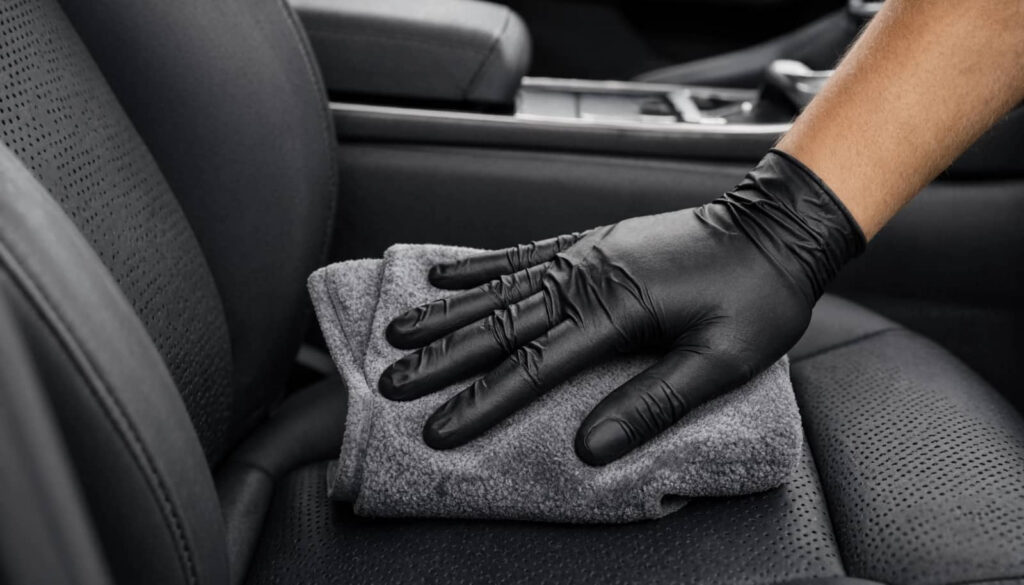
Surface cleaning is the core of vehicle fentanyl decontamination, and it starts with removing visible residue, loose debris, and any disposable materials using tools that limit aerosolization.
You then clean each affected area by matching cleaning agents to surface types, so you avoid damage and improve contact time.
- Wipe hard, nonporous panels with controlled, overlapping strokes.
- Treat high-touch points, including handles, buttons, and buckles, with fresh supplies.
- Reclean textured seams and vents where residue can lodge.
- Verify coverage under good lighting and repeat if contamination remains.
You and your team should work methodically, keep surfaces wet for the required dwell period, and inspect for missed spots.
This approach supports a safer shared space and helps you restore the vehicle with confidence.
Containment And Disposal
Containment and disposal start by isolating the affected vehicle area so you limit spread to clean zones, tools, and clothing.
You’ll seal vents, cover porous surfaces, and set up containment strategies with disposable barriers, labeled waste bags, and dedicated cleaning gear.
Keep responders in PPE, and don’t move contaminated items through shared spaces.
Collect wipes, absorbents, filters, and removed components as regulated waste, then place them in sealed, clearly marked containers.
Follow approved disposal methods for local hazmat, drug residue, and sharps rules, and document each transfer.
You’ll protect your crew best by keeping contaminated material separated until final disposal.
This disciplined approach reduces cross-contamination, supports compliance, and helps your team work confidently and safely together throughout decontamination.
How Pros Secure the Vehicle
Before decontamination begins, pros secure the vehicle to keep people out and prevent cross-contamination. You’ll see a vehicle inspection first, then security measures that isolate the scene and limit contact.
A contamination assessment guides where to place barriers, post warnings, and control entry. Trained teams wear protective equipment and use safe handling practices to keep every touchpoint managed.
- Lock doors and remove keys.
- Mark the perimeter and restrict access.
- Document findings for risk mitigation.
- Follow contamination protocols throughout cleanup.
With professional training, the crew works as one unit, so you know the vehicle stays controlled while hazards are contained.
This disciplined setup protects you, supports the team, and prepares the interior for the next decontamination step.
Why DIY Cleanup Increases Exposure Risk
If you try to clean a fentanyl-exposed vehicle yourself, you can easily spread contamination instead of removing it. You may aerosolize residue, touch hidden surfaces, and move particles into vents, seams, and fabric.
These DIY dangers raise contamination risks because improper methods often miss microscopic deposits and cross-contaminate tools, gloves, and clothing. Without calibrated PPE, containment, and disposal controls, your exposure likelihood climbs during every wipe, vacuum pass, or upholstery scrub.
The health implications can include accidental skin contact, inhalation, or secondary transfer to others who share your space. You belong in a response plan built on safety protocols, not guesswork.
A trained team uses measured steps, verified equipment, and controlled access, so you don’t add risk while trying to fix it.
How Decontamination Protects Future Occupants
Thorough decontamination reduces the chance that the next driver, passenger, or technician will come into contact with lingering fentanyl residue. You protect occupant safety by removing hidden contamination from surfaces, seams, vents, and touchpoints that can transfer particles during normal use.
This contamination prevention step helps you keep the vehicle ready for safe, shared access.
- You limit residue on steering wheels and controls.
- You reduce spread from fabrics, mats, and crevices.
- You support safer hand contact during entry and exit.
- You help restore a cleaner environment for every occupant.
When you follow a validated process, you aren’t just cleaning—you’re creating a safer space for the next person who trusts that vehicle.
What to Expect After Vehicle Cleaning
After vehicle cleaning, you should expect a visibly cleaner interior, but not assume the vehicle is automatically safe without verification. You may notice reduced residue, less odor, and cleaned contact surfaces, yet hidden contamination can remain in seams, ventilation components, and fabric layers.
A trained team should perform a post cleaning assessment to confirm that wipe samples, equipment readings, or other clearance checks meet your site protocol. You’ll want to document any remaining stains, damaged materials, or areas that need repeat treatment.
Keep occupants out until clearance is complete. Even when the vehicle looks restored, long term effects from prior exposure can still matter if contamination wasn’t fully removed.
Stay aligned with your safety plan, and treat every step as part of the same protected team.
Frequently Asked Questions
What Types of Vehicles Need Fentanyl Decontamination?
You’ll decontaminate any vehicle involved in fentanyl exposure, including patrol cars, ambulances, transport vans, and private vehicles. Emergency responders should follow contamination protocols, vehicle inspection, and fentanyl testing before returning it to service.
How Long Does Fentanyl Residue Remain Active in a Car?
Fentanyl residue can remain active in your car for days or longer, especially in hidden crevices. You can’t rely on time alone; protect vehicle safety by testing, cleaning, and decontaminating promptly with trained help.
Can Air Vents Spread Fentanyl Contamination Throughout the Vehicle?
Yes—air vents can move fentanyl contamination through airflow pathways, increasing contamination spread across surfaces, seats, and controls. You should shut off HVAC, avoid disturbing residue, and use trained decontamination before re-entering the vehicle.
Will Decontamination Remove Odors as Well as Residue?
Yes—decontamination can remove residue and reduce odors, but smoke-like stink and clean surfaces often coexist. You’ll need odor removal techniques with proven chemical efficacy, since residue elimination alone may not fully neutralize lingering scent.
How Soon Can a Vehicle Be Used After Cleaning?
You can use the vehicle only after cleaning protocols confirm vehicle safety, all surfaces dry, and clearance testing passes. Don’t rush reentry; following your team’s procedures helps you stay protected and confident.
Recap
If you decontaminate your vehicle after fentanyl exposure, you reduce the chance that residue will linger on seats, seams, vents, or controls. By the time you notice a problem, tiny particles may already have spread through the cabin, so professional cleanup matters. You protect yourself, anyone who rides with you, and future occupants. When the job’s done correctly, your vehicle can return to service safely, with contamination controlled and exposure risk minimized.
Recent Posts
3 Tips for Vehicle Drug Decontamination
Most contaminated-vehicle response failures start with poor scene preparation, not the cleanup itself. Vehicle Drug
7 Tips for Cost-Effective Asbestos Removal
Many U.S. workers still face asbestos exposure risks, which makes careful removal planning essential. Cost-Effective
Affordable Asbestos Testing and Safe Removal
Older homes may contain asbestos, so you can’t assume your property is clear without testing.