
Contents
Older homes may contain asbestos, so you can’t assume your property is clear without testing. Affordable Asbestos Testing should include a proper hazard assessment to confirm where the material is, what condition it’s in, and whether removal is actually necessary. Costs often range from $200 to $800, but quotes can vary widely depending on sampling requirements and site access. The key is knowing what’s included in each quote so you can compare options without paying for avoidable extras.
Key Takeaways
- Get a qualified asbestos inspector to assess materials, sample suspect areas, and provide a written report before any removal work.
- Expect standard residential asbestos testing to cost about $200 to $800, depending on sample count, material type, and access difficulty.
- Compare quotes by checking sampling, lab analysis, reporting, accreditation, and any extra fees for air monitoring or rush results.
- Prevent surprise removal charges by insisting on a written scope, including disposal, cleanup, patching, and any possible hidden-material expansion.
- Hire licensed, insured asbestos remediation professionals who follow regulations, use proper containment, and provide clear, detailed written bids.
What Is an Asbestos Hazard Assessment?
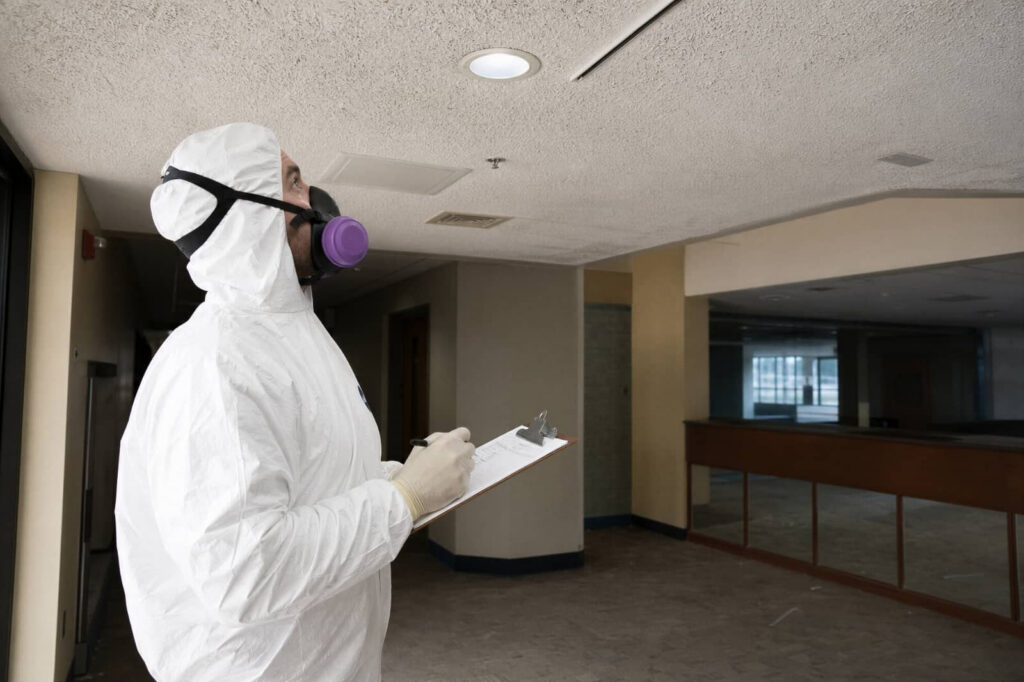
An asbestos hazard assessment is a structured inspection that identifies suspected asbestos-containing materials, evaluates their condition, and determines the likelihood of fiber release during normal use or disturbance.
You use it to understand whether your space may present asbestos exposure risks and what controls you need. A qualified inspector surveys accessible materials, documents damage, friability, and building use, then selects testing methods when sampling is justified.
You’ll usually see bulk sampling, laboratory analysis, and a written report that ranks hazards and recommends next steps. This process helps you make informed decisions, protect your household or team, and stay aligned with safety standards.
When you know the assessment findings, you’re better prepared to act quickly and confidently with others who share the same environment.
How Much Does Asbestos Testing Cost?
Asbestos testing costs usually depend on how many samples you need, the type of material being tested, and whether you hire an inspector, a lab, or both. You’ll typically see average costs ranging from $200 to $800 for standard residential work, with more complex projects costing more. Your total also reflects testing methods used, including bulk sampling, PLM analysis, or air monitoring.
Single sample: lower cost
Multiple samples: discounted per sample
Friable materials: higher scrutiny
Lab turnaround: faster service costs more
On-site inspection: added professional fee
You can expect pricing to rise when access is limited or materials are damaged.
If you’re protecting your home and community, you’re making a responsible choice by confirming hazards before disturbance.
How to Compare Asbestos Testing Quotes
When you compare asbestos testing quotes, look beyond the bottom-line price and verify exactly what each provider includes. You should check the quote breakdown for sampling, lab analysis, reporting, and site visit time.
Compare testing methods too: bulk sampling, air monitoring, or polarized light microscopy can change cost and turnaround. Ask whether the quote covers the number of samples you need and whether the analyst is accredited.
You’ll get better value when the scope matches your property’s risk profile and your team’s expectations. Favor providers who state exclusions clearly, use traceable chain-of-custody procedures, and explain their report format.
That transparency helps you feel confident, informed, and aligned with others who prioritize safe, compliant decisions.
How to Avoid Surprise Asbestos Removal Fees
To avoid surprise asbestos removal fees, you need a written scope before any work starts, because testing quotes often exclude remediation triggers, disposal charges, and contingency labor.
You should verify each line item, so your team stays aligned and protected. Ask for:
- sample analysis pricing
- air-monitoring add-ons
- transport and disposal fees
- patching and cleanup terms
- testing frequency impacts
Confirm whether asbestos removal costs change if hidden materials appear, and require written approval before scope expansion.
You’ll avoid disputes when the contract defines square footage, access limits, and stopping rules.
Keep all emails, photos, and lab reports together, since they support accurate budgeting and shared accountability.
When you understand exclusions, you can plan confidently and feel part of a prepared, informed group.
How to Hire Licensed Asbestos Remediation Pros
Hiring licensed asbestos remediation pros starts with confirming state or provincial licensing, current insurance, and documented training before you let any crew touch the material.
You should ask for proof of compliance with asbestos regulations, then verify that the contractor follows site-specific containment, negative-air control, wet removal, and clearance testing.
Request a written scope that names the materials, remediation techniques, disposal path, and final air-monitoring steps.
You’ll also want references from similar jobs, because trustworthy teams explain each phase clearly and keep you informed.
Compare bids, but don’t choose on price alone; low quotes can signal shortcuts.
When you hire qualified pros, you protect your home, your crew, and your community while joining a safer, well-managed process.
Frequently Asked Questions
Can Asbestos Be Safely Tested by Homeowners?
Yes, you can do DIY testing, but you shouldn’t disturb suspect material; wear safety precautions, seal the area, and use a certified lab kit. You’ll stay safer when you belong to trained, compliant professionals.
How Long Does Asbestos Testing Usually Take?
You’ll usually get asbestos testing results in 2–5 days; sampling itself takes hours. Testing procedures depend on material type, and testing costs vary, but you’re not alone—qualified labs guide you through each step.
What Materials Are Commonly Found With Asbestos?
You’ll commonly find asbestos in insulation, pipe wrap, ceiling tiles, floor tiles, roofing, cement sheets, and textured coatings. These materials can create asbestos exposure and serious health risks, so you’ll want professional testing and control.
Should I Leave My Home During Asbestos Removal?
Yes, you should leave during asbestos removal; it’s not overkill. You’ll reduce health risks while professionals control the removal process, and you’ll stay protected. Ask for clearance testing, so you can return confidently.
How Do I Know if Asbestos Is Friable?
You can tell asbestos is friable if it crumbles, flakes, or powders easily when touched; those friable asbestos characteristics often require asbestos identification techniques like microscopy, because you can’t confirm safety by sight alone.
Review
When you need affordable asbestos testing, you also need certainty. A proper hazard assessment pinpoints hidden risk before it spreads, and a clear quote helps you compare testing costs without guesswork. If asbestos is confirmed, you can avoid surprise removal fees by hiring licensed remediation pros who follow regulations and document every step. In the end, the coincidence is simple: the more precise your inspection, the safer and more cost-effective your property becomes.
Recent Posts
Why Decontaminate Vehicles After Fentanyl Exposure?
You may not realize that fentanyl residue can hide in HVAC ducts, seams, and under
3 Tips for Vehicle Drug Decontamination
Most contaminated-vehicle response failures start with poor scene preparation, not the cleanup itself. Vehicle Drug
7 Tips for Cost-Effective Asbestos Removal
Many U.S. workers still face asbestos exposure risks, which makes careful removal planning essential. Cost-Effective