
Contents
When your vehicle’s interior needs a discreet reset, you want the process handled the right way. Affordable drug cleanup services can help address what cleanup actually covers, which warning signs matter, and how professionals assess meth or fentanyl residue. Costs vary by contamination level and the methods used, and the wrong approach can leave hazards behind. Before you hire anyone, you should know the key questions that separate a true cleanup service from a costly mistake.
Key Takeaways
- Inspect the vehicle for visible residue, chemical odors, stains, burn marks, or paraphernalia to determine cleanup needs.
- Use trained technicians with protective gear to isolate contaminated areas and remove hazardous materials safely.
- Clean hard surfaces, fabric, and vents with approved agents, then dispose of biohazard waste and deodorize the vehicle.
- Get a written scope and quote, since cleanup costs depend on contamination level, residue type, vehicle size, and insurance coverage.
- After cleanup, verify safety, keep the vehicle sealed and ventilated properly, and schedule follow-up checks to prevent recontamination.
What Vehicle Drug Cleanup Includes
Vehicle drug cleanup includes the systematic removal of hazardous residues, paraphernalia, and contaminated materials from a vehicle’s interior and, when necessary, its exterior surfaces.
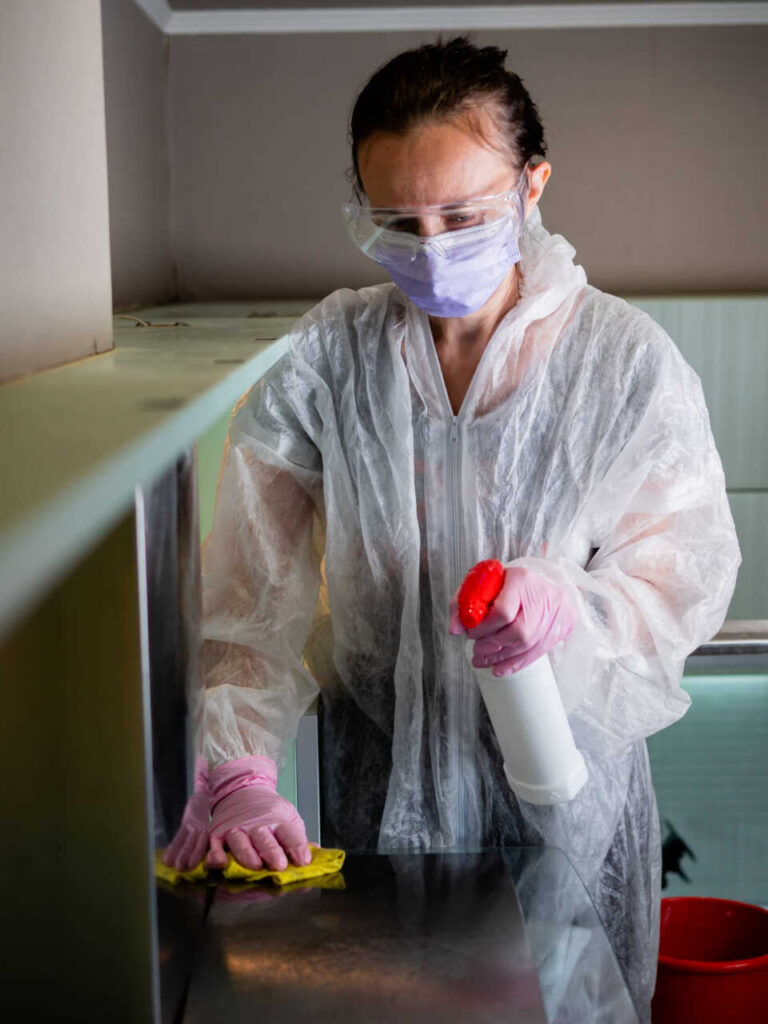
You start by isolating the vehicle, then you assess affected zones, document conditions, and select the right containment measures. Technicians follow safety protocols, wear protective gear, and remove visible waste without spreading contamination.
Next, they perform chemical cleaning on hard surfaces, fabric, vents, and high-touch points, using approved agents matched to the residue type. You can expect deodorization, surface sanitizing, and proper disposal of biohazard waste.
If materials can’t be restored, they’re removed and replaced. This process helps you return the vehicle to a safer, cleaner state with confidence.
Signs Your Vehicle Needs Cleanup
You should inspect your vehicle for visible residue, persistent chemical or burnt odors, and any unusual surface contamination.
Check seats, flooring, panels, and vents for stains, burn marks, or discarded paraphernalia that can indicate drug use or residue.
If you spot any of these signs, you’ll need a professional cleanup assessment right away.
Visible Residue or Odors
One clear indicator that your vehicle needs cleanup is visible residue or a persistent odor inside the cabin. You can confirm the issue with focused residue detection and then plan odor removal before the problem spreads.
Follow this procedure:
- Inspect high-touch surfaces, vents, and fabric seams under strong light.
- Note any film, powder, or tacky buildup on controls, handles, and trim.
- Close the doors for several minutes, then re-enter and assess lingering smells.
- If the odor returns quickly, document it and schedule professional service.
You don’t have to guess or feel isolated; these signs tell you you’re dealing with a contamination event that needs attention.
Prompt action helps you restore a clean, safe space you can trust.
Stains, Burn Marks, or Paraphernalia
Stains, burn marks, or discarded paraphernalia are strong indicators that your vehicle needs professional cleanup. You should inspect upholstery, seams, floor mats, and console gaps with gloves and a bright light.
Look for discoloration, hardened spots, and any chemical film that suggests contamination. Effective stain removal requires you to identify the source before scrubbing, since random cleaning can spread residue.
During residue detection, check air vents, cup holders, and hidden storage areas for needles, pipes, or packaging. If you find scorch patterns, treat them as heat damage and possible exposure points.
Document each issue, then isolate the vehicle until technicians can complete decontamination. When you act quickly, you protect your community and restore a safe, respectful space.
How Professional Cleanup Works
When a professional drug cleanup crew arrives, they first isolate the affected area, assess the contamination, and identify all visible and hidden hazards.
You’ll see them establish containment, post warning controls, and verify ventilation before work begins. They follow strict safety protocols so you stay protected and the site stays controlled.
Next, they document conditions, remove contaminated materials, and apply approved cleanup techniques suited to the residue present.
- Test surfaces and airspace.
- Remove waste and porous items.
- Clean, disinfect, and decontaminate.
- Verify results with final inspection.
You remain informed at each step, and the crew explains what’s happening so you feel included, not sidelined.
Their process aims to restore the space efficiently, precisely, and with minimal disruption to your routine.
Vehicle Drug Cleanup Costs
Your vehicle drug cleanup cost will depend on contamination level, required decontamination methods, and disposal and labor needs.
Larger vehicles usually cost more because they require more surface area, materials, and technician time.
You can also expect pricing to vary by flat-rate, inspection-based, or custom-quote service options.
Cleanup Cost Factors
Vehicle drug cleanup costs depend on the contamination level, the substances present, and the labor required to safely remove residues from upholstery, carpet, vents, and hard surfaces.
You’ll usually see pricing shift with these factors:
- Residue type and toxicity
- Surface saturation and spread
- Required containment and PPE
- Testing, disposal, and verification
You can lower surprises by requesting a written scope before work starts. Ask how insurance coverage applies, because some policies reimburse documented remediation.
Cleanup frequency also matters; repeated exposure can increase chemical complexity and verification steps. When you compare providers, choose teams that explain procedures clearly, follow chain-of-custody protocols, and keep you informed at each stage.
That way, you’ll stay aligned with a crew that handles the job safely, efficiently, and with respect for your situation.
Vehicle Size Impact
Size directly affects drug cleanup costs because it changes the amount of contaminated material, the time needed to inspect every compartment, and the labor required to treat each surface.
You’ll usually pay more for larger vehicle type units, since crews must remove seat assemblies, panels, and hidden residue from more square footage.
In smaller cars, technicians can isolate contamination faster and document the result sooner.
Your cleanup frequency also matters: repeated incidents often push costs up because residue spreads into vents, seams, and cargo areas.
To keep your team aligned, give the service provider exact dimensions, trim layout, and any added storage features.
That lets them plan containment, PPE, and decontamination steps efficiently, so you can move forward with a cleaner, safer vehicle.
Service Pricing Options
When you compare service pricing options for drug cleanup, you’ll usually see flat-rate, hourly, and scope-based models.
You should request itemized estimates so you can verify pricing transparency before you approve work. Service packages often bundle inspection, PPE, decontamination, and disposal, which can lower your total cost.
Use this checklist:
- Confirm the vehicle type and contamination level.
- Ask whether labor, materials, and biohazard disposal are included.
- Compare turnaround time and any after-hours surcharge.
- Get written terms for reinspection and follow-up support.
You’ll fit in best with crews that explain each charge clearly and keep the process organized.
If a quote changes, ask for the exact reason and revised scope. That way, you can choose a plan that’s safe, fair, and budget-aware.
Which Cleanup Method Fits Your Car?
Which cleanup method fits your car depends on the contaminant type, the affected surfaces, and the level of exposure.
Start with a vehicle assessment: note upholstery, hard plastics, vents, seams, and hidden compartments.
For light, nonporous contamination, use targeted cleanup techniques with detergent, microfiber wipes, and controlled agitation.
For fabric, carpets, and foam, choose deep extraction so you can remove embedded residue without over-wetting.
If odors persist, add HEPA vacuuming and calibrated deodorization.
When contamination is localized, isolate the area and clean only affected panels to save time and cost.
If you’re uncertain, document findings, then match the method to the risk level and your comfort.
You deserve a clean, safe vehicle, and the right process helps you get there fast.
How Pros Remove Meth and Fentanyl Residue
After you identify the contamination level, pros switch to a controlled decon process for meth and fentanyl residue that limits spread and verifies removal.
You’ll see them isolate the area, set negative air, and wear suited PPE so the work stays contained. They then follow a tight sequence:
- Perform meth residue detection on high-touch and porous surfaces.
- Pre-clean with approved detergents to lift loose contamination.
- Apply targeted agitation, dwell time, and HEPA capture.
- Run fentanyl testing, then repeat cleaning until results pass.
This procedure protects your team and keeps you included in each verified step.
Technicians document readings, collect waste, and bag materials for disposal. When the final tests confirm clean surfaces, you can reenter with confidence and move forward together.
Questions to Ask a Cleanup Company
What should you ask before you hire a cleanup company? Start with cleanup company qualifications: ask about licensing, hazmat training, insurance, and experience with drug residue.
Then confirm which standards they follow for containment, verification testing, and disposal. Request a written scope, itemized pricing, and the timeline for each phase.
You should also ask who supervises the job, how they document results, and whether they provide photos or lab reports.
Check customer service standards by asking how they handle calls, updates, and concerns during the work. Ask if they’ll explain procedures in plain language so you can feel informed and included.
Finally, verify whether their technicians wear proper PPE and use approved disinfectants before they enter your space.
How to Keep Your Vehicle Safe After Cleanup
Once the cleanup is complete, you should preserve the vehicle’s condition by restricting access, keeping windows and doors closed, and avoiding any activity that can reintroduce contamination.
Follow these vehicle maintenance tips to protect your crew and keep the space compliant:
- Inspect seals, vents, and trim for damage or residue.
- Keep the interior locked and limit passengers until clearance.
- Clean only with approved materials, and don’t disturb treated surfaces.
- Document odors, stains, or leaks, then report them immediately.
You belong to a safer routine when you use these safety precautions consistently.
Park in a secure, dry area, and schedule follow-up checks to verify that no contamination returns. If you notice anything unusual, stop use and contact your cleanup provider right away.
Frequently Asked Questions
Is Vehicle Drug Cleanup Covered by Insurance?
Usually, yes, your insurance coverage may apply if your policy includes vehicle contamination and cleanup endorsements. You should file a claim, document evidence, and ask your adjuster to confirm limits, exclusions, and required remediation procedures.
How Long Does Cleanup Certification Take?
Cleanup certification usually takes a few days to several weeks, not months. You’ll move through the cleanup process timeline, meet certification requirements, and join a trained team that restores confidence fast and thoroughly.
Can Cleanup Remove All Odors Completely?
No, you usually can’t remove every odor completely, but you can get close with effective cleanup methods and odor removal techniques. You’ll need source removal, HEPA filtration, sealing, and deodorization to restore a safe, livable space.
Are There Legal Requirements After Contamination?
Yes, you usually face legal obligations after contamination. You should document contamination cleanup, notify authorities if required, follow local reporting rules, and keep clearance records. That protects you, your team, and your community.
What Should I Do Before Towing the Vehicle?
Inspect the vehicle before towing: document contamination, remove personal items, and secure loose parts, like Odysseus before departure. You’ll protect everyone in the towing process, satisfy vehicle inspection needs, and keep your crew confident.
Conclusion
When you finish the cleanup, you’re like a pilot leaving a storm cloud behind and guiding your vehicle back into clear air. You’ve inspected every surface, removed hidden residue, and sealed off the risks. Keep using clean habits, regular checks, and proper storage so contamination doesn’t return. If you ever spot warning signs again, act fast and bring in trained pros. Your car should stay a safe vessel, not a drifting shelter for hazards.
Recent Posts
Why Hire Asbestos Inspection and Abatement Services?
Like a hidden fault line beneath a finished wall, asbestos can stay invisible until the
7 Vehicle Decontamination Steps After Exposure
After exposure, you need to identify the contamination type before you touch anything else. Then
Why Decontaminate Vehicles After Fentanyl Exposure?
You may not realize that fentanyl residue can hide in HVAC ducts, seams, and under