
Contents
When you assess asbestos hazards, you need a cleanup plan that matches the material type, damage level, and regulatory scope. You’ll want licensed contractors who can document testing, containment, wet methods, HEPA filtration, and approved disposal. The right choice isn’t always full removal, since encapsulation or enclosure can meet compliance with less disturbance. What determines the safest and most cost-effective option often depends on the site details that follow.
Key Takeaways
- Begin with a licensed asbestos assessment to identify suspect materials, condition, and fiber-release risk before any cleanup starts.
- Hire a state-licensed contractor with asbestos certification, insurance, and a documented abatement plan meeting current regulations.
- Use containment methods such as wet suppression, HEPA vacuuming, glovebag work, and negative-pressure enclosures to limit airborne fibers.
- Compare bids using the same scope, including removal, containment, air monitoring, disposal, and clearance testing, to ensure fair pricing.
- Verify waste packaging, labeling, transport, and disposal at approved facilities, with clear documentation for compliance and safety.
What an Asbestos Assessment Includes?
An asbestos assessment includes a systematic inspection of the building to identify suspect asbestos-containing materials, evaluate their condition, and determine the potential for fiber release.
You receive a documented survey of accessible areas, material classifications, and sampled asbestos types where verification is required. The inspector records friability, damage, and location, then compares findings with applicable regulatory thresholds.
You also get a risk-based evaluation that supports compliance decisions and keeps your team aligned with safety obligations.
Assessment frequency depends on building use, renovation plans, and prior findings, so you should schedule reevaluations accordingly.
The report should state whether management controls, monitoring, or additional sampling are needed, giving you clear, defensible information for next steps and helping everyone in your facility stay protected.
How to Choose Licensed Asbestos Cleanup?
You should verify that the asbestos cleanup contractor holds current state licensing for regulated asbestos work.
You should also confirm adequate insurance coverage, including liability and workers’ compensation, before any mobilization begins.
Finally, you should review the abatement procedures to ensure they meet applicable regulatory controls, containment standards, and waste disposal requirements.
Verify State Licensing
Before hiring any asbestos cleanup contractor, verify that the company holds all required state licenses and asbestos-specific certifications for the jurisdiction where the work will occur.
You should confirm the license number with the state authority and ascertain it matches current asbestos regulations and licensing requirements for abatement, transport, and disposal.
Ask whether the supervisor and crew hold active training credentials for the task type, not just general construction work.
You belong in a process that documents compliance, so request the exact scope the license authorizes and the expiration date.
If a contractor can’t show valid credentials, don’t proceed.
A compliant firm will identify the governing agency, the approved work class, and any renewal obligations without hesitation or delay.
Check Insurance Coverage
After confirming the contractor’s licenses and asbestos credentials, verify that the firm carries adequate insurance for the specific abatement scope. You should request certificates naming you as an additional insured, and you can compare each insurance policy against project risks.
Check coverage limits for general liability, pollution liability, workers’ compensation, and vehicle exposure. If a release occurs, you’ll want clear evidence that the claim process is defined, documented, and current.
- Confirm the insurer’s name, policy number, and effective dates.
- Match exclusions to friable material handling and disposal work.
- Ask for written notice requirements before any policy change.
When you stay inside a compliant vendor network, you reduce transfer risk and support a defensible procurement record.
Confirm Abatement Procedures
Verify the abatement plan and sequence of work against applicable federal, state, and local asbestos rules before you authorize cleanup.
You should confirm the contractor’s licensing, supervisor credentials, and required notifications, then review containment, wetting, negative pressure, decontamination, and waste packaging steps.
Demand written safety protocols that specify air monitoring, personal protective equipment, and emergency response.
Your team belongs in a process that documents each control measure, because compliant work protects occupants and workers.
Require proof of regulated disposal, final clearance testing, and area release criteria before reoccupancy.
If any step conflicts with asbestos regulations, stop the job and request a corrected procedure.
When you verify these details, you reduce liability and keep your cleanup aligned with accepted abatement standards.
7 Common Asbestos Cleanup Methods
Seven common asbestos cleanup methods are used to control risk based on material type, friability, and site conditions, and each must be selected and executed under applicable regulatory requirements.
You’ll align asbestos removal techniques with safety regulations, worker training, and containment controls to protect everyone on site. Use the method that matches the hazard profile, then document clearance before reoccupancy.
- Wet methods to suppress fiber release
- HEPA vacuuming for dust and debris collection
- Glovebag work for isolated pipe sections
- Controlled enclosure and negative pressure systems
You’ll verify waste packaging, labeling, transport, and disposal at approved facilities.
Keep air monitoring, decontamination, and supervisor oversight in place so your team stays compliant and confident.
When Encapsulation Is Better Than Removal
Sometimes removal isn’t the best control option, especially when asbestos-containing material is intact, low-friability, and unlikely to be disturbed during normal use.
You may choose encapsulation when you need to preserve the material in place and maintain compliance with exposure-control requirements.
Encapsulation benefits include reduced fiber release potential, less work disruption, and lower immediate exposure risk for occupants and workers.
You also avoid many removal drawbacks, such as greater waste generation, higher project cost, and more invasive disturbance of building components.
Your decision should rest on a documented hazard assessment, material condition, and accessibility.
If the surface remains sound and can accept a compatible sealant, encapsulation can be the more prudent, regulated control measure for your facility.
Why HEPA Containment Matters
HEPA containment matters because it controls airborne asbestos fibers during disturbance, removal, or cleanup activities. You protect your team and neighboring occupants by using sealed barriers, negative pressure, and HEPA filters that capture fine particulates before discharge. This keeps air quality within a controlled work zone and supports compliance with applicable abatement practices.
You reduce fiber migration beyond the regulated area.
You maintain documented control over exposure pathways.
You create a safer, more disciplined cleanup environment for everyone involved.
When you set containment correctly, you strengthen the entire hazard assessment process and help your crew work with confidence.
Precise setup, regular inspection, and prompt correction of leaks aren’t optional; they’re the standard you should expect.
How Asbestos Testing Fits the Plan?
Asbestos testing fits the plan by confirming whether suspect materials contain asbestos before you disturb, remove, or dispose of them.
You use accredited asbestos testing to identify regulated friable and nonfriable materials, so your cleanup team can classify the hazard correctly. This step supports compliant planning, worker protection, and proper waste handling under applicable rules.
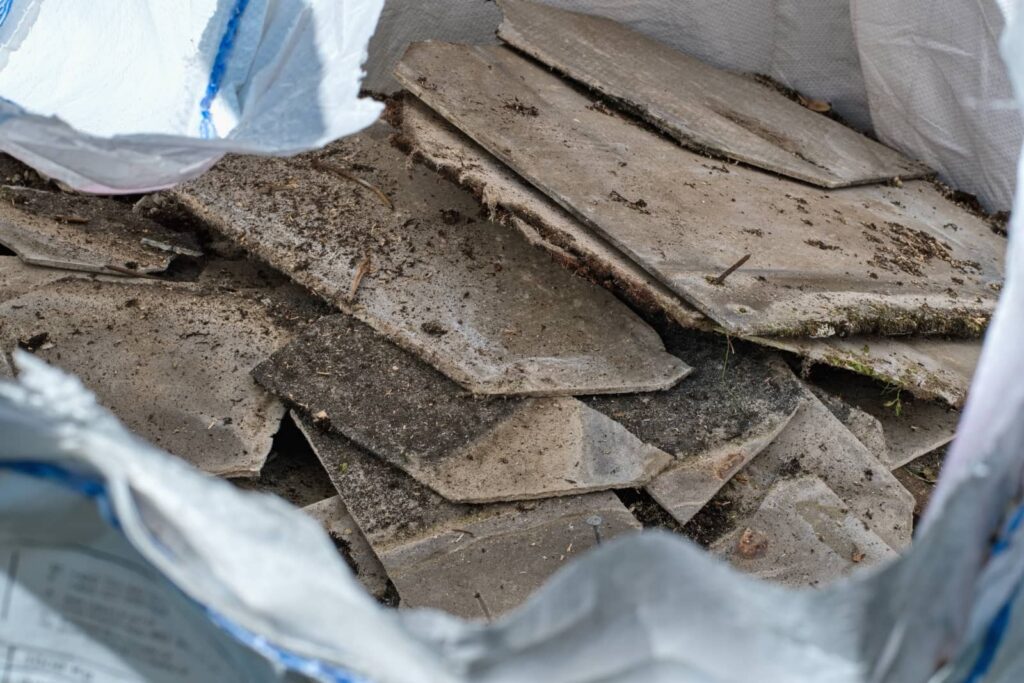
It also reduces uncertainty about health implications, because you avoid guessing about hidden fibers in insulation, floor tile, joint compound, or transite.
When you get clear results, you can align containment, PPE, and clearance criteria with the material’s actual condition. That means you and your crew stay on the same page, follow the right controls, and protect everyone involved with a documented, defensible decision path.
How Much Licensed Removal Costs
Licensed asbestos removal pricing usually reflects the regulated scope of work, the amount and condition of ACM, containment requirements, and required air monitoring and disposal controls.
You’ll also see cost changes based on access limits, project size, labor classification, and whether the work must occur in an occupied or constrained facility.
When you compare bids, you should verify that each contractor has included all licensed removal costs, not just labor and disposal.
Licensed Removal Pricing
Removal pricing typically varies with material type, friability, square footage, containment complexity, waste handling, and local permit requirements. However, you should expect a licensed contractor to price the work based on both labor and regulatory compliance. You’re paying for documented removal techniques, trained crews, and controlled transport.
These pricing factors also reflect site access and air-monitoring oversight.
- Set-up and containment controls
- Removal, packaging, and decontamination
- Disposal manifests and clearance documentation
When you compare bids, make sure each quote names the same scope, so you’re in a fair regulatory baseline. A legitimate estimate should specify equipment, protective measures, and final waste disposal.
That way, you can join a group of owners who choose compliant abatement and avoid surprises during inspection or sign-off.
Cost Factors Explained
Several cost drivers determine what you’ll pay for licensed asbestos removal, and each one ties directly to labor, controls, and compliance obligations.
You’ll see cost variations based on material type, friability, square footage, access limits, and containment complexity.
Assessment pricing often starts with sampling, then rises if air monitoring, negative-pressure units, decontamination barriers, or waste tracking are required.
When you need work in occupied spaces, your contractor may add shift premiums and scheduling controls to protect your household and maintain regulatory separation.
Disposal fees also vary by landfill acceptance rules and transport distance.
To keep your project compliant and predictable, ask for a line-item quote that separates inspection, abatement, clearance testing, and disposal, so you can compare licensed bids with confidence.
Frequently Asked Questions
Can Asbestos Hide Behind Paint or Wallpaper?
Yes, asbestos can hide behind paint or wallpaper, and you should treat hidden asbestos risks seriously. Use asbestos detection methods before disturbing surfaces, because coatings can mask friable material and trigger regulated fiber release.
How Long Does Asbestos Cleanup Usually Take?
Usually, you’ll see an asbestos removal timeline of one to several days, though cleanup process factors like area size, containment, material type, and air monitoring can extend it; you’re better off planning for inspection, removal, and clearance testing.
Is Asbestos Cleanup Needed After Minor Water Damage?
Yes—if you’ve got minor water damage, you’ll need a water damage assessment first; if asbestos-containing materials were disturbed, you should arrange asbestos testing and follow applicable regulatory cleanup requirements to protect your community.
Can I Stay Home During Asbestos Abatement?
No, you shouldn’t stay home during abatement. You’ll risk asbestos exposure unless containment is perfect. Follow safety precautions, evacuate, and trust licensed crews—think of it like a sealed alchemist’s lab protecting your household.
What Permits Are Required for Asbestos Cleanup?
You’ll need permits from your local air quality agency, building department, and sometimes state asbestos regulators. You must follow asbestos regulations, secure disposal approval, and document cleanup procedures before work starts and after waste leaves the site.
Conclusion
You’ve seen that the safest asbestos cleanup starts with a licensed assessment, followed by controlled methods like wet removal, HEPA vacuuming, and negative-pressure containment. You’ll protect occupants best by choosing the least disruptive compliant option, whether that’s encapsulation or full removal. As the adage goes, “An ounce of prevention is worth a pound of cure.” Keep testing, documentation, and disposal records complete, and you’ll reduce risk, meet regulatory requirements, and finish the job with confidence.
Recent Posts
3 Tips for Vehicle Drug Decontamination
Most contaminated-vehicle response failures start with poor scene preparation, not the cleanup itself. Vehicle Drug
7 Tips for Cost-Effective Asbestos Removal
Many U.S. workers still face asbestos exposure risks, which makes careful removal planning essential. Cost-Effective
Affordable Asbestos Testing and Safe Removal
Older homes may contain asbestos, so you can’t assume your property is clear without testing.