
Contents
Is it true that many homeowners unknowingly live in properties with hazardous asbestos materials? This concern is particularly valid for homes built before 1980, where the risk notably increases. Understanding the regulations surrounding asbestos inspections is essential for safeguarding your health and complying with legal standards. As you navigate this complex landscape, you’ll need to take into account what steps are necessary to ensure your home’s safety and compliance.
Key Takeaways
- Homes built before 1980 must undergo asbestos inspections to ensure safety and compliance with legal requirements.
- Certified inspectors are mandated to identify and assess asbestos-containing materials during inspections.
- Homeowners are responsible for maintaining records of inspections and any abatement activities performed.
- Non-compliance with asbestos regulations can lead to significant penalties for homeowners.
- Routine inspections are recommended every few years or after renovations to address potential asbestos hazards.
What Is Asbestos and Why Is It a Concern for Homes?
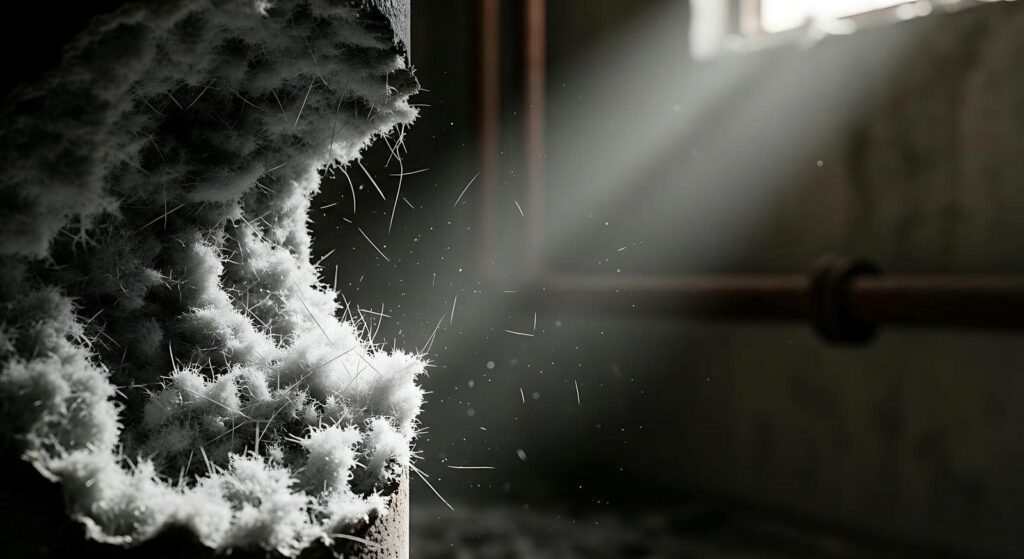
Asbestos, a naturally occurring mineral fiber, poses considerable risks when it comes to home safety. You mightn’t realize that asbestos was widely used in construction materials due to its fire-resistant properties.
However, when these materials deteriorate or are disturbed, they can release harmful fibers into the air. Asbestos exposure is linked to serious asbestos health issues, including lung cancer and mesothelioma.
If your home was built before the 1980s, you could be at risk. It’s essential to understand that even minimal exposure can have long-term health implications.
Taking proactive measures, like having your home inspected, can greatly reduce your risk and ensure a safer living environment for you and your loved ones.
Don’t underestimate the importance of addressing this concern.
Understanding the Legal Requirements for Asbestos Inspections
When it comes to ensuring safety in homes, understanding the legal requirements for asbestos inspections is vital.
As a homeowner, you have specific responsibilities under asbestos regulations, which can seem intimidating but are essential for your family’s health.
Here’s what you need to know:
You must ensure proper inspections if your home was built before 1980.
Hiring a certified inspector is a legal requirement to identify asbestos-containing materials.
Keep records of all inspections and any abatement activities completed.
Understand that failure to comply with these regulations can lead to penalties.
When Is an Asbestos Inspection Required for Your Home?
Knowing when an asbestos inspection is needed can prevent significant health risks and legal complications for homeowners. If your home was built before 1980, it’s vital to schedule asbestos testing, as materials from that era often contain this hazardous substance.
Additionally, any renovations or demolitions require an inspection to ensure safety during construction. The inspection frequency can vary based on your home’s age and condition; however, it’s wise to conduct routine checks every few years or after major repairs.
If you notice any damaged materials that might contain asbestos, don’t hesitate to get an inspection. Being proactive helps protect your family and maintains compliance with local regulations, fostering a sense of community and responsibility among homeowners.
How to Choose a Qualified Asbestos Inspector
How can you ensure you’re hiring the right professional for your asbestos inspection? Start by evaluating their qualifications and familiarity with effective inspection techniques.
Here’s what to look for:
Certification: Confirm the inspector has relevant certifications from recognized organizations.
Experience: Ask about their experience specifically related to asbestos inspections in residential settings.
Inspection Techniques: Inquire about the methods they’ll use to identify and assess asbestos in your home.
References: Request references or reviews from previous clients to understand their reliability and professionalism.
What to Expect During an Asbestos Inspection
As you prepare for an asbestos inspection, it’s vital to understand what the process entails, ensuring you’re well-informed and comfortable.
During the inspection process, a qualified inspector will arrive at your home, equipped with the necessary tools to collect samples. They’ll examine areas where asbestos might be present, such as insulation, flooring, or roofing materials.
Expect the inspector to have relevant certifications and experience in identifying asbestos-containing materials. They’ll explain their findings clearly, so you can grasp the potential risks.
It’s important to feel at ease during this time; a knowledgeable inspector will guide you through each step, helping you make informed decisions about your home’s safety.
Understanding these aspects will foster a sense of belonging in addressing your concerns.
Reporting and Documenting Asbestos Findings: What Homeowners Need to Know
When you discover asbestos in your home, understanding the legal reporting requirements is essential for compliance and safety.
You’ll need to document the presence of asbestos thoroughly to protect your property and the health of those living in it.
Knowing how to properly report and document these findings can help you navigate the necessary steps effectively.
Legal Reporting Requirements
While traversing the complexities of asbestos inspection regulations, it’s essential for homeowners to understand their legal reporting requirements. Fulfilling these legal obligations ensures safety and aligns with compliance standards.
Here’s what you need to keep in mind:
Notify local authorities about any asbestos findings.
Document your inspection process, including dates and findings.
Provide a copy of the report to relevant parties, like future buyers or contractors.
Keep records of all communications and reports for future reference.
Documenting Asbestos Presence
After meeting your legal reporting obligations, the next step involves accurately documenting the presence of asbestos in your home. Effective documentation practices are essential for ensuring safety and compliance.
Start by noting the specific areas where asbestos was found, including details from various asbestos testing methods used during inspections. This includes recording sample locations, lab analysis results, and any visual signs of asbestos-containing materials.
Additionally, maintain a timeline of inspections and any remediation efforts. This thorough documentation helps you understand your home’s condition and serves as a valuable reference if issues arise in the future.
Next Steps After an Asbestos Inspection: Removal and Remediation Options
Once you’ve completed an asbestos inspection and identified the presence of hazardous materials, it’s vital to understand the next steps for safe removal and remediation.
You’ll want to prioritize the following options to ensure your home is safe:
Hire certified professionals: Only licensed contractors should handle asbestos removal to comply with regulations.
Consider encapsulation: This remediation technique involves sealing the asbestos material to prevent exposure if removal isn’t feasible.
Plan for disposal: Ascertain that your contractor follows proper guidelines for disposing of asbestos waste.
Schedule follow-up inspections: After remediation, periodic checks can help ascertain no hazardous materials remain.
Taking these steps will protect your health and foster a sense of safety and belonging in your home environment.
Frequently Asked Questions
How Much Does an Asbestos Inspection Typically Cost?
An asbestos inspection typically costs between $300 to $800, depending on inspection factors like property size, location, and complexity. You’ll want to compare inspection pricing to ensure you’re getting a fair deal for your needs.
Can I Conduct an Asbestos Inspection Myself?
You can conduct an asbestos inspection yourself, but it’s essential to follow proper inspection guidelines. As a homeowner, you’re responsible for ensuring safety, so consider hiring professionals for accurate results and compliance with regulations.
What Happens if Asbestos Is Found During Inspection?
If asbestos surfaces during your inspection, it’s essential to prioritize safety. You’ll need professional asbestos removal to mitigate health risks, ensuring your home remains a secure haven for you and your loved ones.
How Long Does an Asbestos Inspection Take?
An asbestos inspection typically takes one to three hours, depending on your home’s size and complexity. The inspection duration includes thorough asbestos testing, ensuring a detailed evaluation for your safety and peace of mind.
Are There Different Regulations for Commercial vs. Residential Properties?
Yes, there are different regulations for commercial and residential properties. Commercial regulations often demand stricter compliance, while residential standards focus more on homeowner safety, creating a distinct landscape for inspections in both sectors.
Conclusion
Understanding asbestos inspection regulations is essential for homeowners. By prioritizing inspections, you not only comply with legal requirements but also protect your family from serious health risks. Remember, taking proactive measures can greatly reduce your exposure to harmful asbestos fibers. Stay informed and work with qualified professionals to ensure your home remains a safe environment for you and your loved ones.
Recent Posts
Why Remove Hazardous Materials From Vehicles?
When you remove hazardous materials from vehicles, you’re reducing exposure, limiting contamination, and meeting regulatory
What Is Meth and Fentanyl Cleanup?
If you’re dealing with a property or vehicle tied to meth or fentanyl use, cleanup
What Are Asbestos Inspection and Abatement Services?
If you’re dealing with an older building, asbestos inspection and abatement services help you identify