
Contents
You assess fentanyl contamination after cleanup because residue can remain on porous materials, in cracks, and on high-touch surfaces even after visible debris is gone. Since fentanyl can be hazardous at very low levels, you need objective verification, not just a visual check. Surface testing and documented reassessment help confirm whether cleanup was effective or whether hidden contamination still poses a risk. The key question is what your space can still be exposing you to.
Key Takeaways
- Fentanyl can leave microscopic residues that persist on surfaces even after visible cleanup.
- Hidden areas like grout, seams, baseboards, and upholstery may still contain contamination.
- Reassessment confirms whether cleaning removed residue or left behind dust, film, or transfer marks.
- Proper testing improves safety by verifying the area is no longer a hazard for occupants.
- Documented assessment supports reliable clearance decisions and identifies when further decontamination is needed.
Why Fentanyl Contamination Can Linger
Fentanyl contamination can linger because the drug is potent at very low concentrations and can adhere to porous or textured surfaces, including fabrics, carpet, and unfinished materials.
You can’t assume a brief cleaning eliminates lingering toxins, because microscopic residues may stay bound to dust, debris, or surface irregularities.
Environmental persistence rises when ventilation is limited, humidity is low, or cleaning agents don’t fully solubilize the residue.
You should treat the area as potentially contaminated until you verify removal with appropriate sampling and documented decontamination.
This approach protects you and reinforces shared responsibility: everyone in the space deserves reliable clearance, not guesswork.
Precise assessment helps you distinguish true reduction from superficial cleanup, so you can make safer decisions with confidence.
Where Fentanyl Residue Hides After Cleanup
Even after visible dirt is gone, residue can remain in places routine wiping misses: grout lines, baseboards, seams in upholstery, carpet backing, HVAC vents, behind appliances, and on high-touch items with textured or porous surfaces.
You should expect fentanyl particles to settle in hidden locations where airflow, friction, and crevices trap contaminants.
On common surfaces, including counters, doorknobs, light switches, and handrails, trace residue can persist if cleaning doesn’t include full contact time, fresh wipes, and proper sequence.
Your team benefits from inspecting edges, undersides, and joints because these areas often collect material that broad passes overlook.
Careful assessment helps you confirm whether cleanup reached the places that matter most, so you can move forward with confidence together.
Signs a Cleanup Missed Fentanyl Residue
If cleanup missed fentanyl residue, you may notice visible dust or film returning on surfaces, especially in seams, corners, vents, and textured materials where wiping didn’t reach.
You might also see white or off-white specks, sticky patches, or repeated soiling after routine cleaning. These residue indicators often cluster near high-contact areas, HVAC openings, baseboards, and porous items.
Cleanup oversights can leave faint transfer marks on gloves, cloths, or nearby objects, suggesting material wasn’t fully removed.
You belong in a process that treats these signs seriously, because inconsistent appearance after cleanup often points to incomplete decontamination.
When you track recurring film, discoloration, or particulate buildup, you identify patterns that distinguish true removal from temporary cosmetic improvement.
How to Assess Fentanyl Contamination Safely
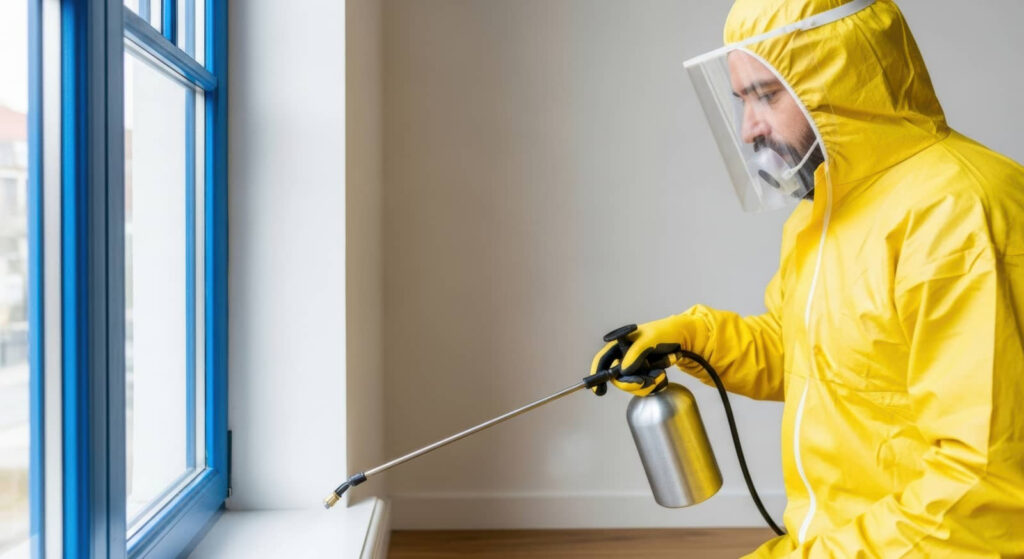
Before you inspect anything, put on appropriate PPE and treat the area as potentially hazardous, because fentanyl can transfer by contact and, in some settings, by aerosolized particles.
You’ll assess contamination by following validated safety protocols and choosing testing methods suited to the environment. Work with your team, maintain a controlled perimeter, and avoid dry sweeping or agitation.
- Visually review high-touch surfaces.
- Use documented testing methods only.
- Record locations, times, and conditions.
- Decontaminate tools between samples.
Stay methodical: sample from representative points, label materials immediately, and keep chain-of-custody notes if your workflow requires them.
If results are unclear, pause and escalate to trained personnel. Your careful approach protects everyone and helps your group move forward with confidence.
What Surface Testing Can Confirm
Surface testing can confirm whether fentanyl or fentanyl-containing residue is present on a specific surface, and it can help identify where contamination is concentrated.
You can use surface swabs to sample defined areas, then send them for residue analysis to detect trace material that visual inspection can’t verify. This gives you a focused, evidence-based snapshot of contamination after cleanup.
It can also show whether high-touch points, corners, or porous interfaces still carry measurable residue. When you work with the data, you gain clearer support for your team’s shared safety goals and a more objective basis for judging cleanup effectiveness.
The result isn’t guesswork; it’s documented confirmation that helps you understand what remains and where contamination is most likely to persist.
When You Should Reassess the Space?
Reassess the space after any cleanup, incident, or change in use that could redistribute residue, because conditions can shift even when a surface initially tests clear.
Your reassessment timing should track contamination risks, cleanup frequency, and space usage, not just visible dirt. Environmental factors like ventilation, humidity, traffic, and vibration can reactivate lingering effects and alter exposure patterns.
- After spills, aerosol-generating activity, or disturbed debris.
- Before reopening areas with new occupancy or work flow.
- At defined testing intervals set by your risk assessment.
- Whenever cleanup standards or safety protocols change.
You’re not overreacting; you’re protecting your community with evidence-based checks.
Consistent reassessment helps you confirm the site still meets cleanup standards and keeps hidden contamination from returning.
How to Choose a Fentanyl Testing Team
When you choose a fentanyl testing team, verify that its members hold certified hazard training and can document competency in contamination control.
You should also confirm they use proper testing equipment calibrated for trace-level detection and field conditions.
Ask for a clear reporting process that states sampling methods, results, limits of detection, and any follow-up recommendations.
Certified Hazard Training
Certified hazard training is the baseline requirement for selecting a fentanyl testing team, because it confirms that personnel can recognize contamination risks, use appropriate controls, and document findings without creating unnecessary exposure. You should verify hazard awareness and completed training programs before you trust anyone on site.
Confirm current certifications.
Review refresher frequency.
Check incident-response competence.
Require written exposure-control procedures.
When you choose a team with this foundation, you join a disciplined standard of practice that prioritizes safety and defensible results.
Look for staff who can explain chain-of-custody, contamination pathways, and decontamination limits in clear terms. That level of preparation reduces ambiguity, supports consistent decisions, and helps you work with professionals who take your risk seriously.
Proper Testing Equipment
Proper testing equipment is the next filter you should use, because the right team brings validated field kits, calibrated instruments, and sealed sampling materials that can detect contamination without compromising the sample.
You should ask which testing methods they use, how they verify detection limits, and whether their equipment calibration follows documented intervals. A capable team matches the method to the surface, matrix, and expected residue level, so you get results you can trust.
Look for chain-of-custody controls, clean sampling tools, and storage that prevents cross-contamination. When you choose a team with disciplined measurement practices, you join a standard built on accuracy, safety, and shared responsibility.
That precision helps you protect occupants, confirm cleanup effectiveness, and avoid false reassurance after remediation.
Clear Reporting Process
A clear reporting process lets you verify what the team found, how they found it, and what the results actually mean. You should expect reporting protocols that name each sample, location, method, limit of detection, and chain-of-custody step. That level of detail protects data accuracy and helps you compare results across rooms or dates.
Choose a team that delivers:
- Plain-language summaries tied to lab values
- Method notes on swabs, wipes, or field kits
- Confidence limits and contamination thresholds
- Fast correction procedures for missing or conflicting data
When you get transparent documentation, you can join an informed, safety-focused community that makes decisions with evidence, not guesswork.
Ask for raw data access, signed reports, and an explanation of any uncertainty before you rely on cleanup clearance.
Frequently Asked Questions
How Long Can Fentanyl Remain Hazardous After Visible Cleanup?
After visible cleanup, you can’t assume fentanyl’s safe; trace residues may persist for hours to days, depending on fentanyl persistence and contamination duration. You should verify with environmental testing before reoccupying the space.
Can Airborne Particles Spread Fentanyl to Other Rooms?
Like dust drifting through a doorway, yes—you can spread fentanyl particles to other rooms. You should treat fentanyl transmission as an airborne risk, because fine residues can resettle on surfaces and expose you elsewhere.
Do DIY Cleaning Products Neutralize Fentanyl Residue Completely?
No, you can’t assume DIY products neutralize fentanyl residue completely; diy effectiveness varies, and many cleaning methods don’t fully remove or inactivate contamination. You’ll need validated protocols, verification testing, and trained oversight to confirm safety.
Which Materials Are Hardest to Decontaminate After Exposure?
Porous, fibrous material types—carpet, upholstery, drywall—are hardest to decontaminate after exposure because contamination levels penetrate deep. You’ll need validated testing and controlled removal; smooth, nonporous surfaces usually clean more reliably and completely.
Are Pets or Children More Vulnerable to Leftover Fentanyl?
Yes—children and pets face greater exposure risks because they’re smaller, touch contamination sources more, and absorb more per dose. For child safety and pet health, you should verify cleanup thoroughly; leftover fentanyl isn’t worth guessing about.
Review
After cleanup, you should still assess fentanyl contamination because invisible residue can linger in cracks, vents, and porous surfaces like a ghost in the walls. A careful, evidence-based reassessment helps confirm that remediation worked and that no hazardous residue remains. Surface testing, documentation, and targeted inspection let you verify safety, spot missed contamination, and decide whether you need further cleaning. When you confirm the space is truly clean, you protect everyone who enters it.
Recent Posts
Why Decontaminate Vehicles After Fentanyl Exposure?
You may not realize that fentanyl residue can hide in HVAC ducts, seams, and under
3 Tips for Vehicle Drug Decontamination
Most contaminated-vehicle response failures start with poor scene preparation, not the cleanup itself. Vehicle Drug
7 Tips for Cost-Effective Asbestos Removal
Many U.S. workers still face asbestos exposure risks, which makes careful removal planning essential. Cost-Effective