
Contents
Some meth lab cleanups fail an initial safety review, which shows why you can’t rely on assumptions. You need to check licenses, insurance, and state certifications before you hire anyone for Meth Cleanup Services. Ask how they test surfaces, what standards they follow, and whether they provide independent post-cleaning verification. The details matter here, and the next step can decide whether a property is truly safe.
Key Takeaways
- Look for companies that offer site assessment, contamination testing, containment, and decontamination of affected areas.
- Verify active state licensing, worker safety certification, liability insurance, and compliant waste disposal documentation.
- Choose crews that provide clear written procedures, photo logs, and independent post-cleanup verification.
- Ask for final clearance reports covering wiped surfaces, hidden voids, dust, residue, and vapor testing.
- Compare itemized bids, cleanup scope, timelines, and insurance coverage before hiring.
What Meth Cleanup Services Include
Meth cleanup services typically include a site assessment, contamination testing, containment of affected areas, removal of contaminated porous materials, and decontamination of hard surfaces and HVAC components.
You can expect technicians to use detection methods that identify residue locations and verify whether levels exceed accepted limits. This process helps you understand the health risks tied to exposure, especially when contaminants persist in hidden materials.
You’ll also receive documentation that records findings, cleanup scope, and post-remediation results. By following a structured protocol, the service keeps your property’s condition clear and measurable.
When you’re comparing providers, ask how they confirm results, what equipment they use, and how they communicate findings so you can feel informed, supported, and aligned with the next step.
What Happens During Meth House Cleanup?
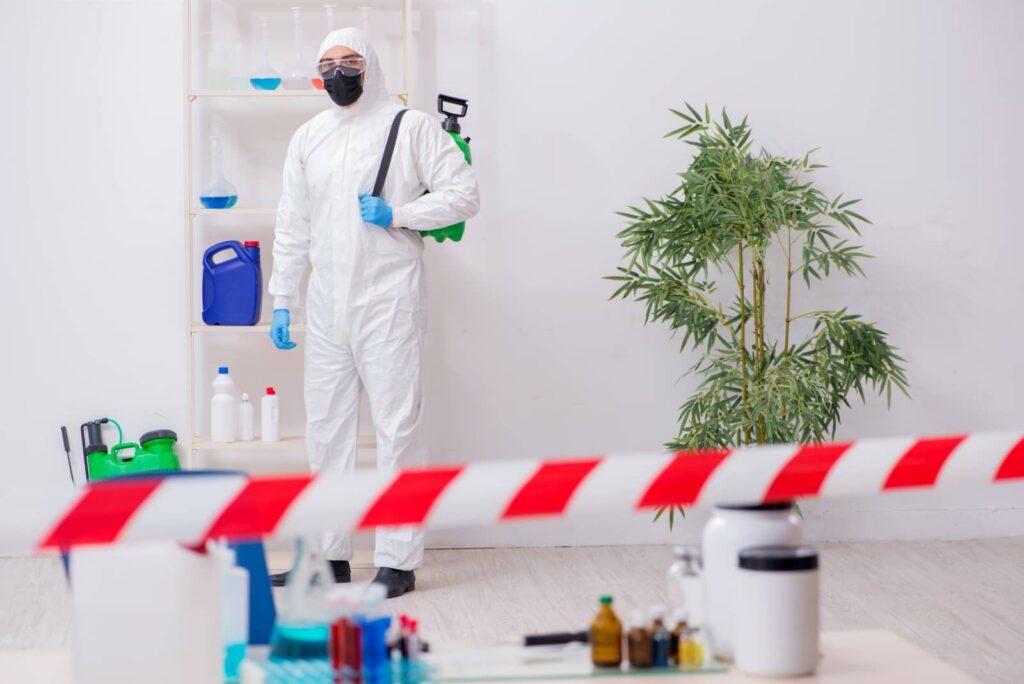
During a meth house cleanup, technicians first secure the property, isolate contaminated zones, and establish work controls to prevent cross-contamination.
You’ll see them document surfaces, remove porous materials, and collect waste for regulated disposal. They use specialized detergents and measured agitation to lift residues from walls, ceilings, fixtures, and HVAC components.
Throughout the cleanup process, they wear protective gear and track decontamination steps to reduce health risks for you and others who may enter later.
You can expect them to clean, rinse, and repeat targeted areas until visible contamination is gone and records match the work performed.
The team then packs tools, seals debris, and restores controlled access, so your property can move toward the next required phase with confidence and clarity.
How to Verify the Property Is Safe?
Once cleanup crews finish removing contamination, you still need proof that the property meets safety standards before anyone reoccupies it.
Ask for a final property assessment that documents wiped surfaces, hidden voids, HVAC components, and porous materials. You should receive written clearance from safety inspections showing sample locations, lab methods, and results below applicable thresholds.
Verify that inspectors tested dust, residue, and vapor where relevant, not just visible rooms. If any areas still fail, you’ll need targeted re-cleaning and retesting before move-in.
Keep copies of all reports, chain-of-custody forms, and photographs for your records. When the documentation is complete, you can trust the space with greater confidence and move forward knowing your household belongs in a verified-safe environment.
How to Spot a Licensed Cleanup Crew
You can spot a licensed cleanup crew by confirming they hold the permits, certifications, and insurance required to handle hazardous contamination in your area. Ask for proof of licensed qualifications, then verify each document with the issuing agency.
A legitimate team will explain their cleanup standards, including containment, removal, decontamination, and waste disposal. You should also expect clear records and written procedures.
Check for:
- active state licensing
- worker safety certification
- liability and pollution insurance
- compliant disposal documentation
These details show the crew follows regulated practice, not guesswork. When you review them, you’re joining a community that values safety, accountability, and shared responsibility.
If anything seems vague, request clarification before work starts. Precise answers indicate competent, licensed service.
How to Choose a Meth Cleanup Company
After confirming a crew’s licenses and insurance, narrow your options by comparing how each meth cleanup company plans, documents, and verifies its work.
You should ask how they inspect meth contamination signs, define containment zones, and protect adjacent rooms from spread. Look for clear written procedures, photo logs, surface sampling, and post-cleaning verification from an independent lab or qualified assessor.
You’ll also want a team that explains health risks in plain terms and answers questions without pressure. Choose a company that communicates scope, timelines, and decontamination standards clearly, because that helps you stay informed and confident.
If the crew seems vague about testing, disposal, or clearance criteria, keep looking. A well-organized company should make your next step feel straightforward and supported.
How Much Meth Cleanup Costs
Meth cleanup costs usually depend on the size of the affected area, the severity of contamination, the level of demolition or decontamination required, and local disposal and testing fees. You’ll usually see average cleanup expenses range widely because each site needs a different scope of work.
Sampling and assessment establish the contamination level.
Containment and removal increase labor and material costs.
Structural demolition raises expenses when surfaces can’t be cleaned.
Post-cleanup verification adds testing and documentation fees.
You should request itemized bids so you can compare services within your community and feel confident in the process.
Ask about insurance coverage options, since some policies may offset testing or remediation costs. Clear estimates help you plan realistically and choose a team that meets regulatory standards.
Frequently Asked Questions
What Documents Are Needed Before Scheduling Meth Cleanup?
You’ll need property access authorization, incident reports, lab results, and any inspection records before scheduling meth cleanup. These help you meet cleanup regulations and document health implications, while ensuring your team feels prepared and included.
How Long Does Meth Cleanup Usually Take?
Usually, you’ll need one to three days; a neighbor’s condo took 48 hours. You’ll assess the cleanup process quickly, yet health risks can extend timelines. You’ll fit in better once clearance testing confirms safety.
Can Neighbors Stay in the Area During Cleanup?
Yes, you can, but you should follow safety measures and respect neighbor concerns. You’ll usually stay out of the immediate cleanup zone, while professionals isolate contamination, monitor air, and keep access controlled.
Will Personal Belongings Be Removed or Discarded?
Your personal belongings may be assessed, cleaned, or discarded based on contamination levels. You’ll review a personal item assessment with the cleanup team, then choose from approved disposal options that meet safety requirements.
What Should I Do if Cleanup Is Delayed?
If cleanup’s delayed, you should secure the area, restrict access, and maintain cleanup safety to reduce health risks. You’ll want to document conditions, notify the service provider, and arrange temporary relocation until remediation begins.
Review
When you choose meth cleanup services, you’re not just hiring a crew—you’re buying certainty. When comparing bids, look beyond the price. A lower-cost option may not include important services such as licensed documentation or independent post-cleaning testing. That difference is like checking a bridge before crossing it. You should verify certifications, review methods, and demand written results. If the property isn’t proven safe, the cleanup isn’t finished.
Recent Posts
Why Decontaminate Vehicles After Fentanyl Exposure?
You may not realize that fentanyl residue can hide in HVAC ducts, seams, and under
3 Tips for Vehicle Drug Decontamination
Most contaminated-vehicle response failures start with poor scene preparation, not the cleanup itself. Vehicle Drug
7 Tips for Cost-Effective Asbestos Removal
Many U.S. workers still face asbestos exposure risks, which makes careful removal planning essential. Cost-Effective