
Contents
Before you assess any suspect material, you need to stop work, isolate the area, and avoid disturbing surfaces that could release fibers. You’ll look for common hazard signs, but you won’t rely on appearance alone, since asbestos can hide in plain sight. If material looks damaged, brittle, or water-stained, you should treat it as a potential exposure source. The next step depends on what you find, and that’s where the risk changes fast.
Key Takeaways
- Assume pre-1980s insulation, tiles, or pipe wrap may contain asbestos, especially if cracked, frayed, or damaged.
- Stop work and isolate the area before inspecting suspect materials.
- Inspect visually only; do not sand, cut, drill, sweep, or otherwise disturb the material.
- Wear disposable gloves, a P100 respirator, and clean footwear covers during safe inspection.
- Contact qualified asbestos professionals for damaged, hidden, or friable materials, and follow testing and clearance procedures.
What Are the Asbestos Hazard Signs?
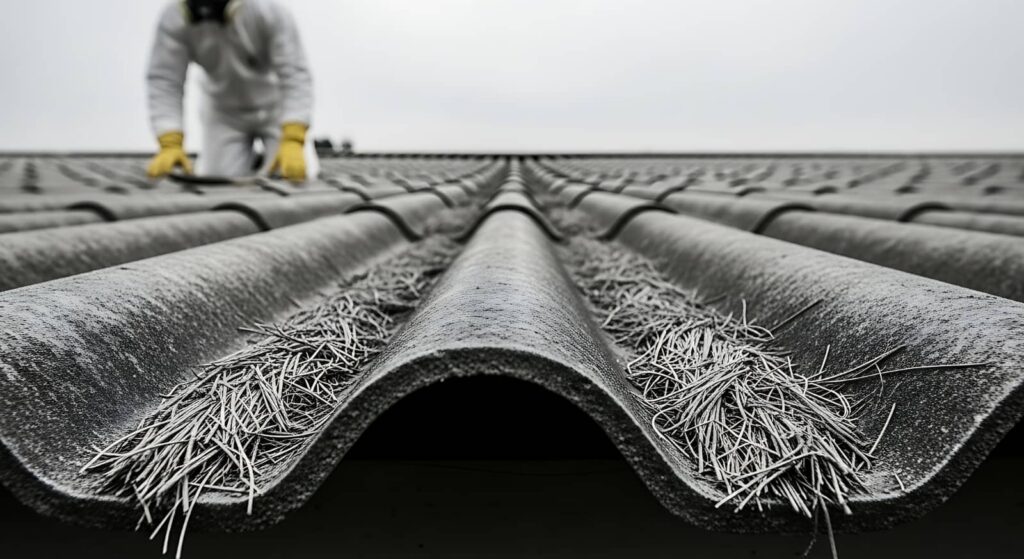
Asbestos hazard signs often show up in materials installed before the 1980s, especially if they’re damaged, aged, or disturbed. You may notice frayed insulation, cracked tiles, peeling pipe wrap, or dusty debris around ducts, boilers, and walls.
These conditions don’t confirm asbestos, but they raise concern because fibers can release when the material breaks down. You should treat any suspect product as a potential hazard and avoid sanding, cutting, drilling, or sweeping it.
If you or others develop asbestos exposure symptoms, such as persistent coughing or shortness of breath, seek medical guidance promptly.
For your team or household, safe removal practices mean using trained professionals, proper containment, and regulated disposal. That approach protects everyone and keeps you aligned with proven safety standards.
How to Inspect Suspect Materials Safely
Before you inspect any suspect material, stop work, isolate the area, and keep other people away so you don’t disturb fibers.
Put on disposable gloves, a P100 respirator, and clean footwear covers before entering.
Use a visual inspection to check texture, damage, age, and location without scraping, cutting, or brushing the surface.
Photograph the material from a safe distance, note labels, and record room conditions so your team shares the same evidence.
If you must support sample collection, follow site procedures, dampen the spot lightly, and avoid breaking the material.
Seal the area again after you finish.
Treat every suspect product as hazardous until testing confirms otherwise, and trust your crew’s careful method to protect one another and the space.
When to Call an Asbestos Professional
Call an asbestos professional as soon as suspect material is damaged, friable, hidden in an inaccessible area, or likely to be disturbed by repair, renovation, or demolition.
You shouldn’t handle these conditions yourself, because trained experts understand asbestos regulations and can evaluate risk without creating avoidable exposure.
Choose a qualified team with verifiable professional certifications, current insurance, and documented training for regulated work.
You’re safer when you belong to a process that follows approved controls, clear communication, and legal compliance.
Call immediately if debris is present, if building materials are deteriorating, or if you can’t confirm the material’s condition from a safe distance.
Prompt action helps protect you, your household, and anyone who enters the space.
What Happens During Asbestos Sampling
During asbestos sampling, a qualified professional first documents the material’s location, condition, and likely disturbance points. Then, they set up containment and controls to limit fiber release. You stay outside the work zone while they use approved sampling methods and safety protocols to collect a small, representative piece with minimal breakage.
- They dampen the surface to reduce airborne dust.
- They cut or core a tiny sample from an accessible point.
- They seal the opening with suitable repair material.
- They label, bag, and record the specimen for lab analysis.
You’ll usually see controlled ventilation, disposable PPE, and cleaned tools throughout the process. This careful sequence protects your crew, your building, and your community by keeping exposure low and preserving sample integrity.
What to Do If Asbestos Testing Is Positive
If asbestos testing comes back positive, you should stop any work that could disturb the material and restrict access to the area immediately.
Notify occupants, document the location, and keep dust suppression measures in place if the surface’s integrity is compromised.
Don’t sweep, drill, or vacuum with standard equipment. You should contact a licensed asbestos professional to confirm the scope, evaluate condition, and plan containment.
In most cases, you’ll need either controlled enclosure or asbestos removal by qualified personnel following local regulations.
Keep everyone informed so your team stays aligned and protected.
Prioritize air monitoring and post-clearance verification before reentry.
Acting quickly reduces health risks and helps your community maintain a safe, compliant environment without unnecessary exposure.
Frequently Asked Questions
How Long Does an Asbestos Assessment Usually Take?
Usually, you’ll spend 1 to 4 hours on an asbestos assessment, though assessment timeline factors like property size and access matter. You’ll use asbestos testing methods to verify suspect materials and guide your next steps.
Is Asbestos More Dangerous When Undisturbed?
No—undisturbed asbestos is usually less hazardous, like a sleeping lion. You’re safest when fibers stay bound, but any damage, drilling, or disturbance can increase asbestos exposure and health risks, so you should verify conditions carefully.
Can Older Homes Contain Hidden Asbestos in Insulation?
Yes, you can find hidden asbestos in older homes’ insulation. You should use asbestos identification techniques and follow insulation removal safety protocols; you’ll protect your home and join others who handle risks carefully and confidently.
Are Asbestos Tests Required Before Renovations?
Yes—many jurisdictions require asbestos testing requirements before renovations, especially in pre-1980 homes. If you’re opening a 1975 ceiling, you’ll follow renovation safety guidelines, protect your crew, and join informed contractors who avoid costly exposure.
How Often Should Asbestos-Containing Materials Be Rechecked?
You should recheck asbestos-containing materials at least annually, and sooner if damaged or disturbed. Your testing frequency must follow asbestos regulations, site condition, and competent professional judgment, so you’ll stay protected and compliant.
Summary
Stay steady, stop work, and scan suspect materials with strict safety. You protect yourself by isolating the area, wearing proper PPE, and avoiding any disturbance that could dislodge dangerous dust. If signs seem suspicious, summon a certified asbestos professional for a careful, compliant assessment. When testing confirms asbestos, follow controlled containment, proper cleanup, and regulated removal. Safe, sensible steps prevent fiber release and preserve health for everyone nearby.
Recent Posts
3 Tips for Vehicle Drug Decontamination
Most contaminated-vehicle response failures start with poor scene preparation, not the cleanup itself. Vehicle Drug
7 Tips for Cost-Effective Asbestos Removal
Many U.S. workers still face asbestos exposure risks, which makes careful removal planning essential. Cost-Effective
Affordable Asbestos Testing and Safe Removal
Older homes may contain asbestos, so you can’t assume your property is clear without testing.